Environmental Due Diligence Before Buying or Selling Commercial Property
What Should You Know Before Buying Commercial Property?
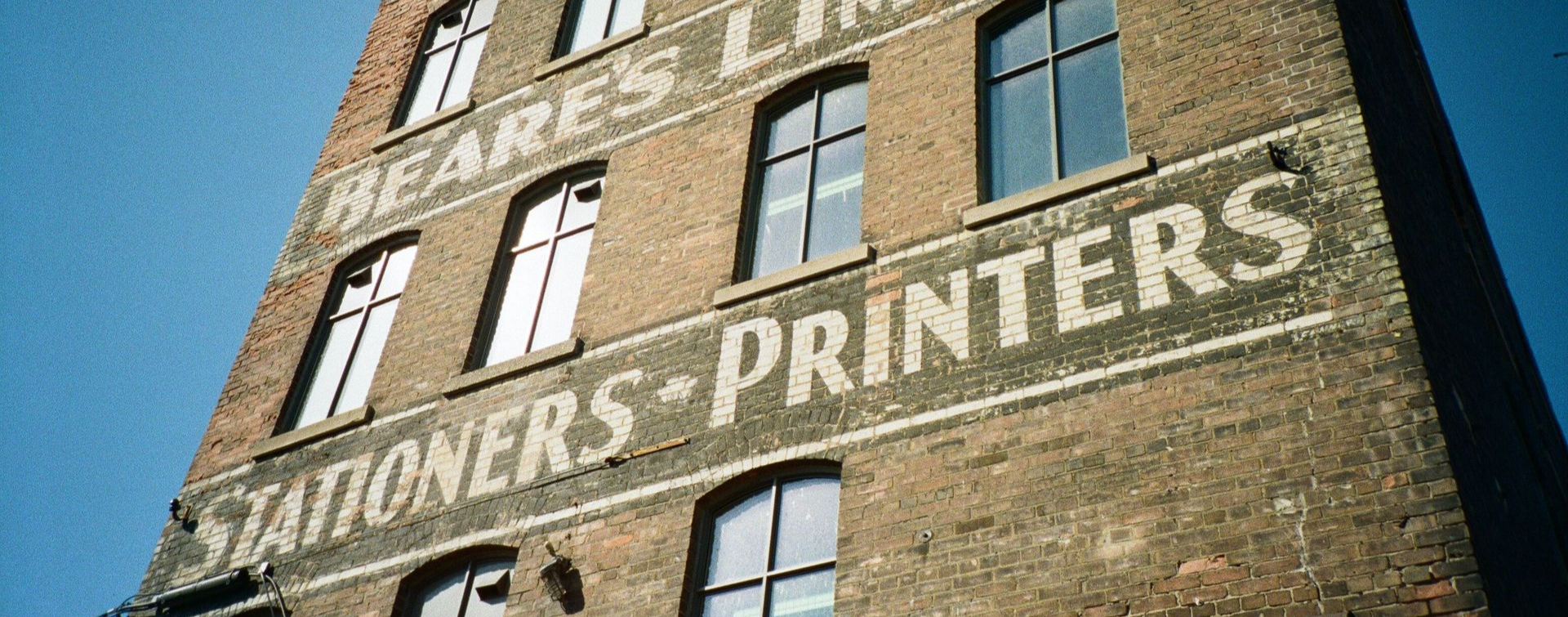
A commercial property can appear well-maintained while still carrying environmental concerns that are not immediately visible. Past industrial activity may have affected soil or groundwater, older building materials may contain asbestos or lead, and roof or plumbing leaks may have caused concealed moisture damage.
Identifying these conditions before closing gives buyers, sellers, lenders, and redevelopment teams more time to understand potential costs, clarify responsibilities, and make informed decisions.
What environmental due diligence should be completed before a commercial property transaction?
A Phase I Environmental Site Assessment is often the starting point. Depending on the property’s age, history, condition, and intended use, separate assessments for asbestos, lead, mold, indoor air quality, storage tanks, PCBs, or other concerns may also be appropriate.
Why Environmental Due Diligence Matters
Environmental due diligence evaluates conditions that could affect liability, financing, property value, occupancy, redevelopment plans, or long-term operating costs.
For buyers, it can reveal whether past property uses may have caused contamination, whether planned renovations could disturb regulated building materials, and whether remediation should be included in the project budget. For sellers, early evaluation can reduce uncertainty during negotiations and provide time to organize records or address known concerns.
An environmental finding does not necessarily make a property unsuitable for purchase. It gives the parties better information about the property and the work that may be needed.
What Is a Phase I Environmental Site Assessment?
A Phase I Environmental Site Assessment, or Phase I ESA, is a structured review of a property’s current and historical environmental conditions.
The assessment generally includes historical research, environmental database reviews, a site visit, interviews with knowledgeable parties, and a written evaluation by an environmental professional. Its purpose is to identify recognized environmental conditions associated with hazardous substances or petroleum products.
A standard Phase I ESA typically does not include sampling of soil, groundwater, air, or building materials. It identifies potential concerns based on records, observations, interviews, and professional judgment.
Phase I ESAs may also help purchasers satisfy the federal All Appropriate Inquiries process when seeking certain protections from environmental liability. Timing is important, so buyers should order the assessment early enough to allow for follow-up investigation without letting the report become outdated before closing.
What Can a Phase I ESA Reveal?
A Phase I ESA may identify concerns associated with former gas stations, dry cleaners, manufacturing operations, chemical storage, underground tanks, spills, floor drains, waste areas, fill materials, or nearby properties.
It may also recommend further evaluation when historical records are incomplete or when current conditions suggest that a release may have occurred.
A Phase I reduces uncertainty, but it cannot guarantee that all environmental conditions will be identified. That is why the assessment should be reviewed alongside the property’s planned future use.
Does a Phase I ESA Include Asbestos, Lead, or Mold?
Not automatically.
Asbestos, lead-based paint, mold, indoor air quality, radon, and many building-condition concerns are generally outside the standard Phase I scope. These services may need to be added separately when they are relevant to the property or redevelopment plan.
A Phase I report that identifies no recognized environmental conditions does not mean the building is free of asbestos, lead-containing paint, water damage, or ventilation concerns.
When Should Asbestos Be Evaluated?
An asbestos assessment should be considered when a property contains older building materials, when previous reports are incomplete, or when renovation or demolition is planned.
Potential asbestos-containing materials may include insulation, floor tile, adhesives, ceiling materials, plaster, roofing products, fireproofing, cement panels, and gaskets.
The presence of asbestos does not always require immediate removal. Materials in good condition may sometimes be managed in place. The more important question during a transaction is whether planned construction will disturb those materials and how that may affect cost, scheduling, and compliance.
For properties in New York, applicable asbestos survey requirements should be reviewed before renovation, repair, remodeling, or demolition begins.
Why Lead-Containing Paint Should Be Considered
Older commercial and industrial buildings may contain lead in painted walls, windows, structural steel, railings, tanks, doors, and equipment.
Intact coatings may not create the same concern as coatings disturbed during sanding, grinding, welding, cutting, demolition, or abrasive blasting. A lead assessment can help buyers estimate worker-protection measures, containment needs, cleaning requirements, and waste-management costs before construction begins.
The assessment should be based on the intended scope of work. A general building review may not provide enough information for a project involving specific painted components.
How Mold and Moisture Affect a Transaction
Mold concerns are usually tied to an underlying moisture problem. Roof leaks, plumbing failures, foundation water intrusion, condensation, and poorly maintained HVAC systems can damage building materials and affect indoor conditions.
During due diligence, signs such as water staining, damaged ceiling tile, musty odors, visible growth, damp basements, condensation, or repeated cosmetic repairs should be evaluated.
Not every property requires mold air sampling. A visual inspection, moisture assessment, and review of past water events are often the most useful starting points. When concealed or widespread damage is suspected, additional investigation may be needed before repair costs and occupancy plans are finalized.
Should Indoor Air Quality Be Reviewed?
An indoor air quality assessment may be valuable when the property is occupied, when recurring complaints have been reported, or when the building will be converted to a school, healthcare facility, office, municipal building, or other regularly occupied use.
The review may consider ventilation, humidity, combustion sources, dust, chemical storage, HVAC cleanliness, odors, and nearby sources such as loading docks or vehicle traffic.
Indoor air quality cannot be evaluated with one universal test. A useful assessment considers the building, HVAC system, moisture conditions, occupant concerns, and potential contaminant sources together.
What Happens When a Concern Is Identified?
A Phase I finding does not automatically confirm contamination. It may indicate that further investigation is appropriate.
The next step could involve additional records research, tank locating, regulatory file review, building-material sampling, or a Phase II Environmental Site Assessment. A Phase II typically uses targeted soil, groundwater, vapor, sediment, or other sampling to evaluate a specific concern.
These results can help the parties decide whether to proceed, renegotiate the purchase price, require corrective work, establish an escrow, extend the due diligence period, or revise the redevelopment plan.
How Early Discovery Can Reduce Costs
Environmental due diligence has an upfront cost, but discovering a problem before closing is usually easier to manage than finding it after ownership has transferred.
Early information allows buyers and sellers to obtain realistic remediation estimates, assign responsibility, adjust financing assumptions, and schedule corrective work before tenants or contractors arrive.
The greatest savings often come from avoiding disruption. Discovering asbestos after demolition starts, finding an abandoned tank during excavation, or identifying extensive moisture damage shortly before occupancy can delay several parts of a project at once.
How Environmental Conditions Affect Financing and Value
Environmental concerns may influence property valuation, loan approval, insurance, redevelopment costs, and construction timelines. Lenders may require additional investigation, remediation reserves, or documentation before closing.
A known condition with a defined solution and reliable cost estimate may be easier to address than an unresolved concern with no clear scope.
Accurate records are important. Surveys, sampling results, tank records, closure letters, manifests, remediation reports, and agency correspondence can help buyers, sellers, and lenders better understand the property.
What Buyers and Sellers Should Do
Sellers can prepare for a smoother transaction by organizing previous environmental reports, permits, spill records, tank documentation, asbestos and lead surveys, and remediation records before listing the property.
Buyers should request these records early and explain the property’s intended future use to the environmental professional. A warehouse being converted into offices, classrooms, or healthcare space may require a different level of evaluation than a building that will continue operating in its current use.
The Phase I ESA should also be ordered early enough to allow time for additional investigation before the contingency period ends.
Why Environmental Due Diligence Matters
Environmental surprises can affect much more than cleanup costs. They may influence financing, property value, redevelopment timing, occupancy, and long-term management responsibilities.
The goal of due diligence is not to eliminate every possible uncertainty. It is to identify meaningful risks, understand potential costs, and enter the transaction with better information.
Plan Before Your Next Commercial Property Transaction
MP Environmental works with property owners, developers, municipalities, contractors, and project teams on asbestos, lead, mold, environmental remediation, demolition, PCB management, and related services.
Early evaluation can help determine what environmental work may be needed before renovation, redevelopment, or occupancy begins.
Call (518) 566-4575 or contact MP Environmental online to discuss the property and the environmental services that may be appropriate.
Disclaimer: This article provides general educational information and is not legal, financial, or engineering advice. Requirements and liability protections vary by transaction, property, location, and project scope.
Frequently Asked Questions
What is environmental due diligence in commercial real estate?
Environmental due diligence is the process of evaluating a property for contamination, regulated materials, moisture concerns, and other conditions that could affect liability, financing, property value, redevelopment, or occupancy.
Is a Phase I Environmental Site Assessment required when buying commercial property?
A Phase I ESA is not required for every private commercial transaction. However, it is commonly required by lenders and investors and may be important for purchasers seeking certain federal landowner liability protections. The appropriate scope should be discussed with environmental and legal advisors.
How long is a Phase I ESA valid?
Under ASTM E1527-21, a Phase I ESA is generally presumed viable when conducted within 180 days before acquisition, subject to the standard’s requirements. For federal All Appropriate Inquiries purposes, the assessment must be conducted or updated within one year before acquisition, with certain components completed or updated within 180 days.
Does a Phase I ESA include environmental sampling?
Usually not. A standard Phase I ESA relies on records research, interviews, site observations, and professional evaluation. Soil, groundwater, vapor, air, and building-material sampling are generally performed only when separately authorized.
What is the difference between a Phase I and Phase II ESA?
A Phase I ESA identifies potential environmental concerns without typically collecting samples. A Phase II ESA uses targeted sampling and laboratory analysis to investigate specific concerns identified during the Phase I or through other information.
Does a Phase I ESA test for asbestos?
No. Asbestos is generally a non-scope consideration under a standard ASTM Phase I ESA. An asbestos survey or building-material assessment should be separately requested when the building age, condition, planned renovations, or lender requirements warrant it.
Does a Phase I ESA include lead-based paint or mold?
Not automatically. Lead-based paint, mold, and indoor air quality are typically outside the standard Phase I scope. They may be added as separate due diligence services based on the property and its intended use.
Does finding asbestos mean the property must be fully abated?
No. The appropriate response depends on the material’s condition, location, building use, and planned disturbance. Some asbestos-containing materials may be managed in place, while materials affected by renovation or demolition may require abatement or other controls.
When should mold testing be completed before buying a property?
Additional mold or moisture investigation should be considered when there is visible growth, water staining, musty odor, known flooding, recurring leaks, damp materials, or planned occupancy that makes indoor conditions particularly important. Testing should be designed to answer a specific question.
Can a buyer renegotiate after environmental problems are found?
That depends on the contract and applicable law. Depending on the agreement, the parties may renegotiate the price, require additional investigation, assign remediation responsibilities, create an escrow, extend the due diligence period, or terminate the transaction. Legal counsel should review available options.
Can environmental concerns affect commercial property financing?
Yes. Environmental uncertainty may affect underwriting, valuation, loan conditions, reserve requirements, insurance, and closing schedules. A defined condition with a credible cost estimate may be easier for a lender to evaluate than an unresolved concern.
Should sellers complete environmental due diligence before listing?
A pre-listing review can be helpful for properties with industrial histories, older buildings, known tanks, prior releases, or anticipated redevelopment. It gives the seller time to organize records, investigate concerns, and prepare a response before a buyer’s contingency period begins.
Who should perform a Phase I ESA?
ASTM E1527-21 requires a Phase I ESA to be performed by or under the supervision of an environmental professional who meets the standard’s qualifications.
Can environmental due diligence eliminate all risk?
No. A Phase I ESA and related assessments reduce uncertainty but cannot guarantee that every condition will be identified. ASTM specifically recognizes that no environmental site assessment can wholly eliminate uncertainty.