Common Environmental Challenges During Industrial Facility Shutdowns
What Environmental Work Should Be Planned Before a Shutdown?
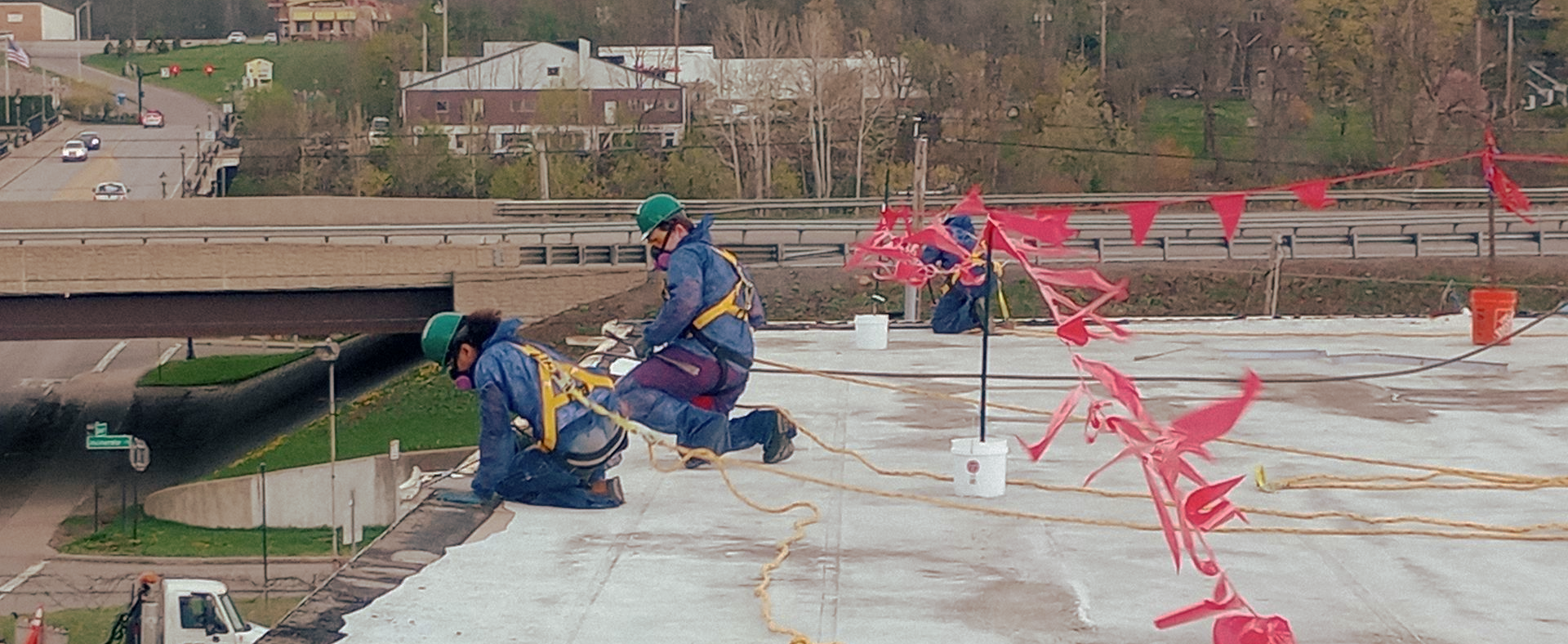
Late summer and early fall are common times for manufacturing facilities to schedule maintenance shutdowns. These planned outages create an opportunity to replace equipment, inspect process systems, complete repairs, and address environmental work that may be difficult to perform while production is active.
However, shutdown schedules are usually tight. Mechanical, electrical, environmental, and construction crews may all be working within the same limited window. If asbestos, unidentified materials, contaminated residue, or waste-disposal questions are discovered after work begins, valuable time may be lost while the facility waits for inspections, laboratory results, or disposal approvals.
The most effective approach is to include environmental services in the shutdown plan from the beginning.
What environmental work should be planned during an industrial shutdown?
Facilities should evaluate equipment and surrounding materials for asbestos, identify hazardous materials and waste streams, determine whether dry ice blasting is appropriate, arrange waste characterization and disposal, and coordinate environmental work with the facility’s safety and maintenance teams before the outage begins.
Why Is a Shutdown a Good Time to Complete Environmental Work?
A planned shutdown provides access to equipment, utility corridors, process areas, ceilings, piping, and structural components that may be difficult to reach during normal operations.
Environmental work can often be completed more efficiently when:
- Production equipment is offline.
- Work areas can be isolated from active operations.
- Equipment and piping can be properly de-energized.
- Environmental contractors have fewer conflicts with production personnel.
- Cleaning, abatement, removal, and equipment replacement can be completed in a coordinated sequence.
A shutdown does not automatically make an area safe. Lockout/tagout, confined-space procedures, ventilation, containment, access controls, and other facility-specific requirements still apply. OSHA’s hazardous-energy standard covers maintenance and servicing activities where unexpected startup or the release of stored energy could injure workers.
The advantage of the shutdown is not that safety requirements are reduced. It is that the facility has a defined period in which those requirements and the necessary environmental controls can be coordinated.
How Can Asbestos Affect Equipment Replacement?
An equipment replacement may appear to be a mechanical project, but the work often extends beyond the equipment itself.
Removing a boiler, pump, valve, production line, furnace, tank, or electrical component may disturb surrounding materials such as:
- Pipe, fitting, tank, boiler, or duct insulation.
- Gaskets, packing, rope, and heat-resistant materials.
- Floor tile and associated adhesives.
- Wall, ceiling, or penetration materials.
- Cementitious panels and other building products.
- Coatings, roofing, or structural fireproofing.
Asbestos was historically used in thermal insulation, gaskets, cement products, floor materials, coatings, and other heat- or fire-resistant products. The presence of an older material does not confirm that it contains asbestos, but it should be properly evaluated before workers cut, scrape, drill, remove, or demolish it.
For work in New York, current Department of Labor guidance states that a property owner must obtain an asbestos survey by a certified New York State asbestos inspector before demolition, renovation, remodeling, or repair work is performed on a building, structure, or affected portion. The survey must match the actual scope of work. Federal asbestos requirements also call for a thorough inspection of affected areas before covered renovation or demolition activities at industrial, commercial, and institutional facilities.
Plan beyond the equipment footprint
The asbestos review should consider more than the items listed on the maintenance schedule. It should also account for:
- The route used to remove the old equipment.
- Piping, valves, and connections that will be disconnected.
- Walls, floors, and ceilings that must be opened.
- Temporary access points or lifting locations.
- Utilities that will be rerouted or replaced.
- Materials exposed after equipment is removed.
Existing asbestos reports can provide useful background, but the facility should confirm that those reports cover the current shutdown scope. A survey completed for a previous roofing project, for example, may not address insulation and gaskets around a production line.
When asbestos-containing material is identified, the project team can sequence the necessary abatement before mechanical crews begin equipment removal. This is much easier to manage than discovering suspect material after the outage clock has already started.
When Does Dry Ice Blasting Make Sense During a Shutdown?
Dry ice blasting can be a useful industrial cleaning option when a facility needs to remove buildup without introducing water, chemical cleaners, or abrasive blasting media.
The process uses compressed air to propel solid carbon dioxide pellets or particles toward a surface. The dry ice removes the unwanted material and then sublimates, changing from a solid into a gas. Because the dry ice does not remain behind, the process does not create a secondary waste stream from the blast media itself. The material removed from the surface must still be collected and managed appropriately.
Depending on the equipment, substrate, and type of contamination, dry ice blasting may be considered for:
- Grease, oil, and production residue.
- Adhesives and release agents.
- Carbon and soot buildup.
- Certain paints and coatings.
- Tooling, molds, conveyors, and production equipment.
- Mechanical and electrical components that can tolerate the process.
- Surfaces where the use of water would be undesirable.
Dry ice blasting is generally non-abrasive and non-conductive when properly applied, and equipment can sometimes be cleaned in place with less disassembly. Every application should still be evaluated individually. A test area can help determine the appropriate pressure, particle size, cleaning rate, and effect on the underlying surface.
Dry ice blasting still requires safety planning
The fact that dry ice is non-conductive should not be interpreted as permission to work on energized equipment. Facility lockout/tagout procedures and equipment-specific safety requirements still apply.
The shutdown plan should also address:
- Adequate ventilation and possible carbon dioxide accumulation.
- Operator training and appropriate personal protective equipment.
- Noise and flying debris.
- Containment of the material removed from the surface.
- Compressed-air capacity and hose routing.
- Access restrictions around the cleaning area.
- The characteristics of the contaminant being removed.
Cold Jet recommends proper ventilation, exposure controls, identification of areas where carbon dioxide could accumulate, and suitable protective equipment for dry ice work.
Dry ice blasting is not the right solution for every surface or contaminant. A pre-shutdown evaluation helps determine where it can provide the greatest benefit and where another cleaning or remediation method would be more appropriate.
What Hazardous Materials May Be Encountered During an Industrial Shutdown?
Shutdown work often brings older, unused, or difficult-to-access materials into the open. A facility may need to manage:
- Unused or expired chemicals.
- Solvents, paints, coatings, and adhesives.
- Oils, coolants, and lubricants.
- Filters, absorbents, and process sludge.
- Batteries and fluorescent lamps.
- Mercury-containing switches, thermostats, or instruments.
- Older transformers, capacitors, voltage regulators, and light ballasts.
- PCB-containing oils or electrical equipment.
- Contaminated debris from equipment or process areas.
- Unlabeled containers stored in maintenance or production spaces.
Older electrical equipment deserves particular attention. EPA identifies transformers, capacitors, voltage regulators, hydraulic systems, fluorescent light ballasts, and certain other equipment as potential locations for PCBs. Identification and disposal requirements depend on the equipment, its condition, labeling, concentration, and applicable regulations.
A hazardous material is not automatically a hazardous waste. A product may still be usable, returnable, recyclable, or manageable under a different regulatory program. Once a material is discarded, however, the facility must determine how it is classified and managed.
Before the outage, complete an inventory that records the material, location, container condition, estimated quantity, available safety data, and proposed disposition. Unknown materials should remain segregated until they are identified. Combining unidentified liquids or residues can complicate characterization and limit disposal options.
Why Should Waste Characterization Be Completed Before the Shutdown?
Waste characterization is a frequent source of avoidable scheduling problems.
A contractor may remove equipment or residue quickly, but the waste cannot necessarily leave the site until the receiving facility understands what it is and agrees to accept it. Waiting until drums, boxes, or roll-off containers are full can leave a facility with material occupying valuable work areas during the outage.
EPA regulations require generators to identify each hazardous waste they produce. A determination may be based on reliable knowledge of the material and process, laboratory testing, or a combination of both. When available knowledge is not adequate, testing may be necessary.
A pre-shutdown waste plan should identify:
- The source of each waste stream. Note the equipment, process, room, or activity that will generate it.
- The expected composition. Review product data, process knowledge, previous analytical results, and maintenance records.
- The estimated quantity. Include liquids, solids, debris, contaminated personal protective equipment, filters, and cleaning residue.
- The required sampling. Collect representative samples early enough to receive results before work begins.
- The receiving facility. Obtain waste-profile approval and confirm packaging and delivery requirements.
- The onsite accumulation plan. Establish compatible containers, labels, secondary containment, and designated storage locations.
- Transportation and documentation. Arrange qualified transporters, manifests, shipping papers, weight records, and disposal documentation as applicable.
A large maintenance project can also increase the amount of hazardous waste generated during a calendar month, potentially affecting the facility’s generator category and related requirements. Generator categories are based on the quantity of regulated hazardous waste generated, not simply the physical size of the business. New York facilities should also review state requirements, which may be more stringent or structured differently from the federal program.
Some commonly generated items may qualify for streamlined universal-waste management. The federal universal-waste categories include batteries, certain pesticides, mercury-containing equipment, lamps, and aerosol cans, although state programs can differ or include additional materials.
How Should Worker Safety Be Coordinated During a Maintenance Outage?
An outage may bring facility employees, environmental contractors, electricians, millwrights, pipefitters, engineers, and general contractors into the same work area. Clear coordination is essential because one crew’s activity can affect another crew’s safety or schedule.
Control hazardous energy
Lockout/tagout procedures should address electrical, mechanical, hydraulic, pneumatic, chemical, thermal, gravitational, and other stored energy. The isolation plan should identify who controls each lock, how group lockout will be managed, and how responsibility will transfer between shifts. OSHA requires energy-control procedures for covered servicing and maintenance activities.
Evaluate confined spaces
Tanks, pits, vessels, vaults, silos, ducts, and certain equipment interiors may qualify as confined spaces. Spaces with hazardous atmospheres, engulfment hazards, restricted configurations, or other serious hazards may require a permit-space program, atmospheric testing, attendants, communications, and rescue planning.
Communicate chemical and environmental hazards
Facility and contractor teams should exchange information about chemicals, asbestos, PCBs, process residues, respiratory hazards, emergency procedures, and work-area restrictions before mobilization. OSHA recommends that host employers communicate nonroutine hazards and emergency information to contractors before work begins and whenever conditions change.
Coordinate simultaneous work
Environmental work may involve containment, negative air, access restrictions, air monitoring, specialized personal protective equipment, or temporary utility shutdowns. These requirements should be visible in the overall outage schedule so another crew does not unknowingly enter a controlled area or interrupt an environmental system.
A short daily coordination meeting can help the outage team review:
- Work completed during the previous shift.
- Areas released for the next trade.
- Changes in site conditions.
- Waste quantities and storage capacity.
- New suspect materials or unexpected residues.
- Upcoming isolations, tests, inspections, or clearance activities.
How Can Environmental Work Be Planned to Minimize Production Impacts?
The environmental contractor should be involved while the outage scope is still being developed—not after the final schedule has been issued.
Start with a joint walkthrough involving facility maintenance, environmental health and safety personnel, engineering, production representatives, and the contractors responsible for the work. Review each piece of equipment, the access route, nearby building materials, utilities, waste streams, and the conditions required to return the area to service.
The following is a practical planning example rather than a regulatory timeline:
| Planning point | Recommended environmental activities |
|---|---|
| 8–12 weeks before shutdown | Define the equipment and building scope, review previous surveys, inspect suspect materials, identify cleaning needs, and inventory chemicals and expected waste streams. |
| 4–8 weeks before shutdown | Complete sampling and laboratory analysis, develop asbestos or hazardous-material scopes, characterize wastes, obtain disposal approvals, and confirm contractor availability. |
| 2–4 weeks before shutdown | Finalize the work sequence, required notifications, containment plans, energy-isolation responsibilities, waste containers, access, ventilation, compressed air, and emergency procedures. |
| Immediately before shutdown | Conduct the pre-job meeting, verify work zones and utilities, review permits and safety plans, confirm disposal logistics, and stage necessary equipment and supplies. |
| During the shutdown | Hold daily coordination meetings, track environmental work against the critical path, document waste quantities, manage controlled areas, and communicate unexpected conditions promptly. |
| Before restart | Complete required inspections, cleaning, monitoring, clearance, documentation, equipment safeguards, and area-turnover approvals. |
Build a reasonable contingency into the schedule. Unexpected conditions are easier to manage when the facility has already established a stop-work procedure, identified decision-makers, and reserved access to inspection, sampling, and waste-management resources.
What Should Be Included in the Shutdown Turnover Package?
Environmental work is not complete simply because the material has left the work area.
Depending on the project, the turnover package may include:
- Updated asbestos survey information.
- Abatement or remediation closeout documents.
- Air-monitoring or clearance records where required.
- Waste profiles and analytical results.
- Manifests, bills of lading, weight tickets, and disposal receipts.
- Recycling documentation.
- Daily reports and photographs.
- Equipment-cleaning records.
- A list of materials left in place and any related management requirements.
- Confirmation that temporary containment and controls were removed.
- Final facility and contractor signoffs.
Agree on the required documentation before the outage. That allows the environmental contractor to assemble records as the work progresses instead of attempting to recreate them after production resumes.
Why Does Early Environmental Planning Matter?
A maintenance shutdown is often the most practical opportunity to complete environmental work without interfering with production. That opportunity is most valuable when the work is planned before the outage begins.
Early coordination helps the facility:
- Identify asbestos and other regulated materials before disturbance.
- Select the most appropriate cleaning method.
- Characterize waste before containers begin filling.
- Secure qualified contractors and approved disposal outlets.
- Coordinate safety controls across multiple trades.
- Complete environmental work before it affects equipment installation or startup.
- Maintain clear records of the work performed.
The goal is not to add complexity to the shutdown. It is to prevent environmental questions from becoming critical-path problems.
Integrate Environmental Services Into Your Next Maintenance Shutdown
MP Environmental provides asbestos removal, environmental remediation, demolition, PCB and recycling services, and dry ice cleaning for industrial and commercial projects. Its team can help evaluate the shutdown scope, identify environmental needs, develop a practical work sequence, and coordinate services around the facility’s production schedule.
Disclaimer: This article provides general educational information. Environmental, safety, transportation, and waste-management requirements vary according to the facility, work activities, materials, quantities, and project location.
Frequently Asked Questions
How early should environmental planning begin for an industrial shutdown?
For many projects, environmental planning should begin eight to twelve weeks before the outage. More time may be needed when the work involves extensive asbestos abatement, unusual waste streams, specialized disposal, permit or notification requirements, or several contractors working within a short shutdown window.
Does every equipment replacement require an asbestos inspection?
Not every equipment component contains asbestos, but replacement work should be reviewed for the materials it may disturb. In New York, renovation, repair, remodeling, and demolition work affecting a building, structure, or portion generally requires an asbestos survey by a certified inspector. Equipment gaskets, insulation, and nearby building materials may also need to be evaluated under applicable worker-protection requirements.
What happens when suspect asbestos is discovered during a shutdown?
Work that could disturb the material should stop in the affected area. The material should remain intact and undisturbed while a qualified professional evaluates it. The facility can then determine the appropriate inspection, sampling, abatement, or work-practice requirements before maintenance resumes.
Can dry ice blasting be used on industrial electrical equipment?
Dry ice blasting may be appropriate for some electrical and mechanical components because it does not introduce water and the dry ice itself is non-conductive. The equipment, contamination, substrate, ventilation, and surrounding conditions must still be evaluated. Electrical equipment should be isolated and managed under the facility’s lockout/tagout and equipment-specific procedures.
Does dry ice blasting create any waste?
The dry ice pellets sublimate and do not remain as spent blasting media. However, the grease, paint, residue, dust, or other material removed from the surface remains and must be collected, characterized, and disposed of appropriately.
Who is responsible for characterizing waste generated by a contractor?
Hiring a contractor does not necessarily transfer all generator responsibilities away from the facility. Depending on how the waste is generated and managed, the facility and contractor may both have regulatory responsibilities. Roles for characterization, labeling, storage, manifests, transportation, and recordkeeping should be defined before work begins.
Can environmental work occur at the same time as mechanical maintenance?
Yes, provided that work zones, access, ventilation, hazardous-energy controls, containment, and trade sequencing are coordinated. Some tasks can run concurrently in separate areas, while others must be completed before mechanical or electrical crews can enter the space.
What wastes are commonly generated during industrial shutdowns?
Common waste streams may include oils, solvents, sludge, filters, absorbents, batteries, lamps, mercury-containing equipment, PCB equipment, contaminated debris, asbestos waste, unused chemicals, and residue removed during cleaning. Each waste stream should be evaluated individually because different management requirements may apply.
Can a shutdown change a facility’s hazardous-waste generator category?
Yes. Generator category is generally based on the quantity of regulated hazardous waste generated during a calendar month. A large one-time maintenance project may increase that quantity. The facility should estimate the expected waste in advance and review the applicable federal and state requirements.
What environmental records should be collected before production restarts?
The facility should collect the records applicable to the project, which may include analytical results, waste profiles, manifests, disposal receipts, recycling records, abatement closeout documents, air-monitoring results, photographs, daily reports, and final area-turnover approvals.