
Where Asbestos Is Commonly Found in Older Buildings
Asbestos in Older Properties
Common Materials and Areas to Watch For
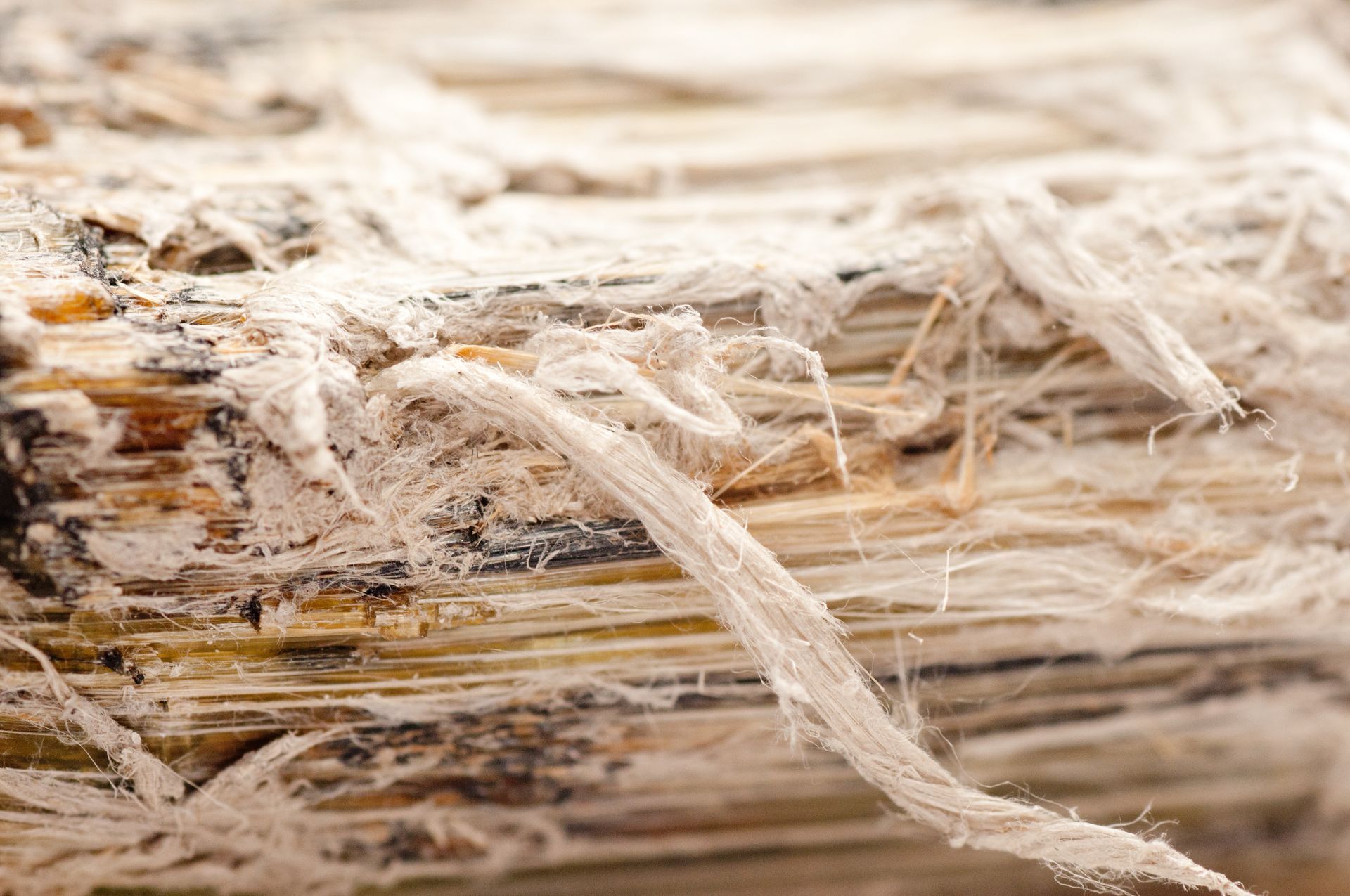
For decades, asbestos was widely used in residential, commercial, institutional, and industrial construction due to its strength, durability, and fire-resistant properties. While its use has significantly declined, many older buildings still contain asbestos-containing materials that may pose risks if disturbed.
One of the most common locations for asbestos is insulation. Pipe insulation, boiler insulation, and mechanical system coverings frequently contained asbestos because of its ability to withstand high temperatures. In older facilities, these materials may still be present around heating systems, piping, and equipment.
Flooring materials are another common source. Vinyl floor tiles, sheet flooring, and the adhesives used to install them often contained asbestos. Although these materials may remain relatively safe when left undisturbed, renovation activities such as sanding, cutting, or removal can release asbestos fibers into the air.
Ceiling materials may also contain asbestos. Acoustic ceiling tiles, textured ceiling finishes, and spray-applied fireproofing products were frequently manufactured with asbestos-containing components. Similar materials may be found in wall panels and joint compounds used throughout older buildings.
Roofing products represent another area of concern. Roofing shingles, felt underlayment, siding materials, and cement-based exterior products often incorporated asbestos to improve durability and weather resistance. These materials can become hazardous when damaged or improperly removed during repairs or renovations.
Industrial and commercial buildings may contain asbestos in additional applications, including gaskets, packing materials, electrical insulation, fire doors, and various equipment components. Because asbestos was used in such a wide range of products, identifying its presence is often more complex than many property owners realize.
One of the greatest challenges is that asbestos cannot typically be identified through visual inspection alone. Materials that appear harmless may contain asbestos, while similar-looking materials may not. Professional sampling and laboratory analysis are often required to accurately determine whether asbestos is present.
Before beginning renovation, demolition, maintenance, or repair work in an older building, asbestos testing should be a priority. Identifying asbestos-containing materials early helps protect workers, occupants, and contractors while ensuring compliance with applicable regulations.
Working with experienced environmental professionals allows property owners to make informed decisions and safely address asbestos concerns when they arise. With proper assessment and planning, projects can move forward while minimizing health risks and avoiding costly delays.
Understanding where asbestos may be located is the first step toward creating safer environments and managing older properties responsibly.