
Understanding Asbestos in Older Buildings: What Every Property Owner Should Know
Protecting Your Property
Understanding the Risks of Asbestos
If your home, commercial building, school, or industrial facility was built before the 1980s, there's a good chance asbestos-containing materials may still be present. While asbestos was once widely used because of its durability, fire resistance, and insulating properties, we now understand the serious health risks associated with asbestos exposure. For property owners, understanding where asbestos may be hiding—and knowing what to do if it's discovered—is essential for protecting both occupants and anyone performing renovations or maintenance.
Asbestos was commonly used in insulation, floor tiles, ceiling tiles, roofing materials, pipe insulation, textured ceilings, siding, and many other construction products. In many cases, these materials remain safe as long as they are undisturbed and remain in good condition. Problems arise when asbestos-containing materials become damaged, deteriorate over time, or are disturbed during remodeling, demolition, or repairs.
When asbestos fibers become airborne, they can be inhaled and become trapped in the lungs. Long-term exposure has been linked to serious illnesses including asbestosis, lung cancer, and mesothelioma. These diseases often develop decades after exposure, making prevention especially important.
Many property owners mistakenly believe they can identify asbestos simply by looking at a material. Unfortunately, asbestos fibers cannot be identified visually. Laboratory testing by trained professionals is the only reliable way to confirm whether a material contains asbestos.
Before beginning any renovation or demolition project in an older building, it's important to have suspect materials evaluated by qualified environmental professionals. Identifying asbestos early helps prevent unexpected project delays, costly cleanup, and potential regulatory violations.
If asbestos is found, removal isn't always required immediately. Depending on the condition and location of the material, professionals may recommend encapsulation, monitoring, or safe removal. Every situation is different, and the appropriate solution depends on the condition of the building and the planned work.
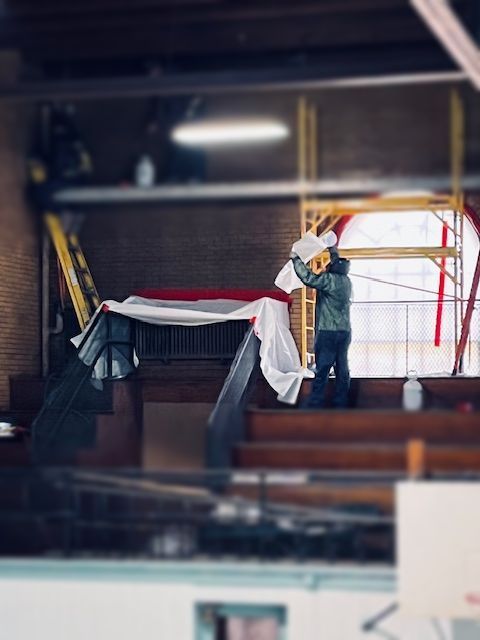
Professional asbestos abatement teams follow strict containment procedures, specialized removal techniques, and disposal regulations designed to prevent fibers from spreading throughout the building or into the surrounding environment.
Whether you own a commercial property, industrial facility, rental property, or older home, understanding asbestos is an important part of responsible property management. Working with experienced environmental professionals ensures potential hazards are identified correctly, handled safely, and managed in compliance with local, state, and federal regulations. Taking proactive steps today can help protect your investment—and more importantly, the health of everyone who enters your building.