
Asbestos and Lead in Older Buildings: What You Need to Know Before Renovating
Renovation Risks:
Managing Asbestos and Lead Safely in Older Properties
Renovating older buildings often comes with unexpected challenges—and one of the most important is the presence of hazardous materials like asbestos and lead. Failing to identify and properly manage these risks can impact both safety and project timelines.
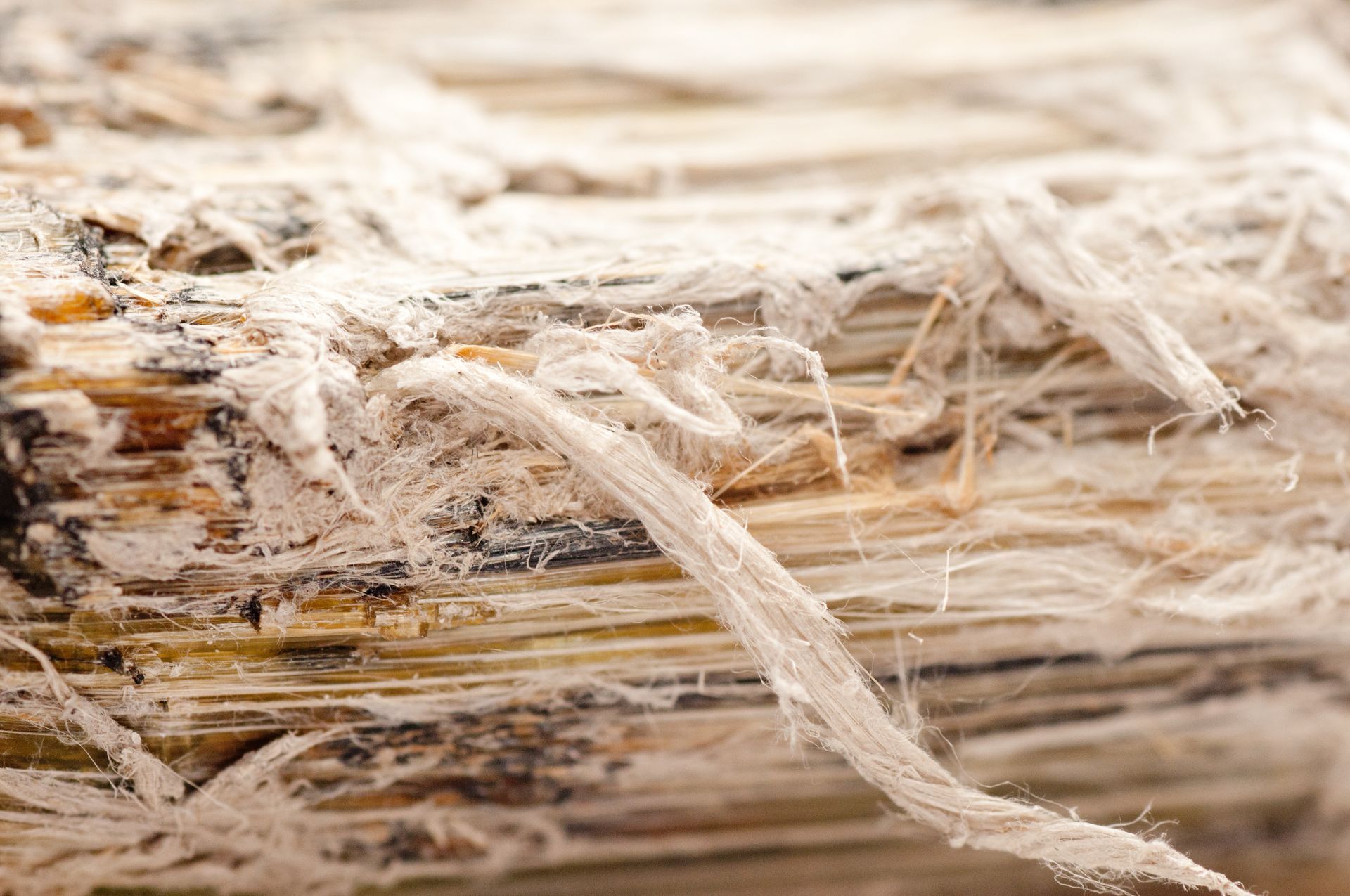
Asbestos was commonly used for its durability and fire-resistant properties. It can be found in insulation, flooring, ceiling tiles, and pipe coverings. When these materials are disturbed during demolition or renovation, asbestos fibers can become airborne and pose significant health risks when inhaled.
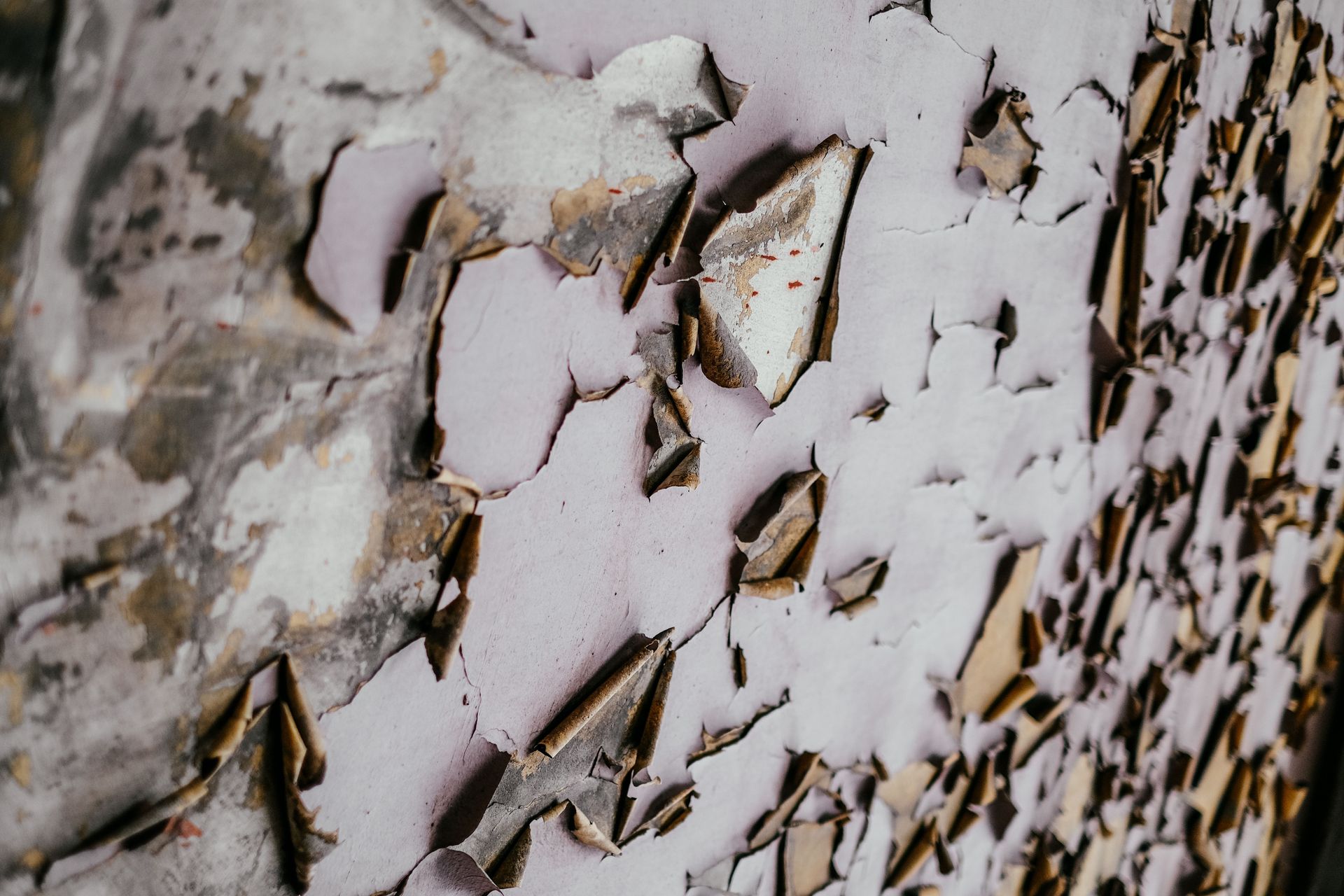
Lead, frequently found in older paint, presents a similar concern. Activities such as sanding, cutting, or demolition can release lead-contaminated dust into the environment. This exposure can affect both workers and occupants if not properly controlled.
Before starting any renovation, environmental testing is a critical first step. Identifying the presence of asbestos or lead allows for proper planning and ensures the project complies with current regulations.
If hazardous materials are detected, professional abatement is required. This includes controlled removal, proper containment, and safe disposal in accordance with regulatory standards. Attempting to bypass this process can lead to contamination, project delays, and potential legal or financial consequences.
Planning ahead not only protects health and safety but also helps keep your project on schedule. With the right approach, renovations can move forward efficiently while minimizing risk.