Mold Remediation in Commercial Spaces: Addressing Issues Without Disrupting Operations
Mold Remediation in Commercial Spaces
How to resolve issues without disrupting operations
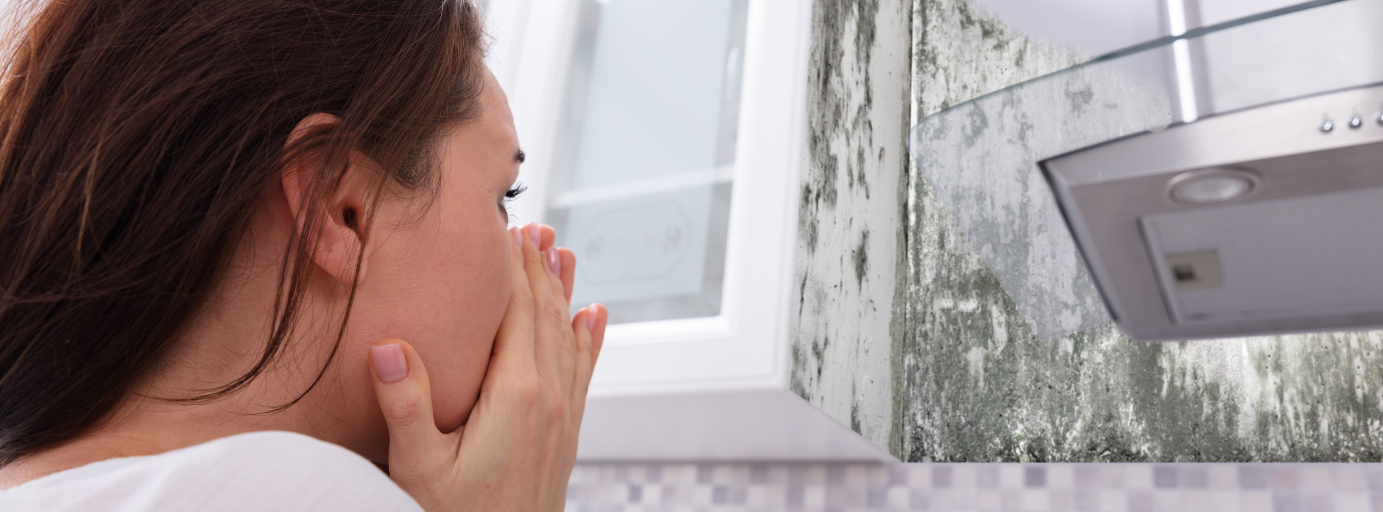
Mold is a common challenge in commercial buildings, particularly during the winter months when moisture becomes trapped indoors. Left unaddressed, mold can affect indoor air quality, damage building materials, and disrupt business operations. With the right remediation approach, however, mold issues can be resolved safely while facilities remain operational.
Common Winter Moisture Sources
During colder months, commercial buildings are more susceptible to hidden moisture issues. HVAC systems can create condensation due to temperature differences, especially when equipment is not properly balanced or maintained. Condensation may also form on windows, walls, and structural components when warm indoor air meets cold surfaces. In addition, deficiencies in the building envelope—such as gaps in insulation, roofing issues, or deteriorating seals—can allow moisture intrusion that supports mold growth.
The Importance of Containment and Air Control
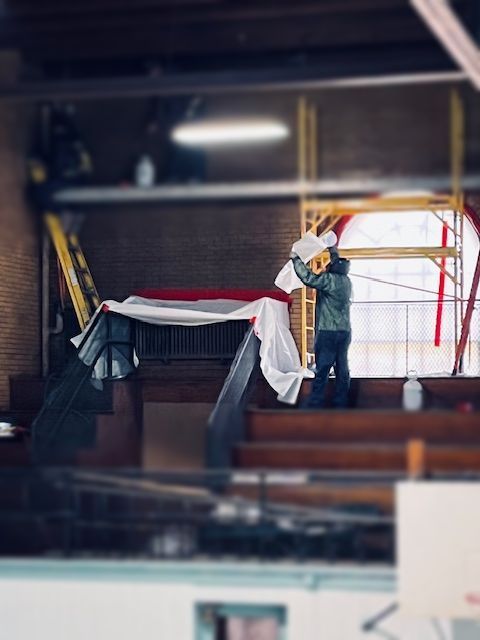
Effective mold remediation relies on strict containment and air management to prevent spores from spreading to unaffected areas. Professional remediation teams establish sealed work zones and use negative air pressure systems with HEPA filtration to control airflow. This approach ensures that mold spores and debris remain isolated during removal, protecting occupants and maintaining indoor air quality throughout the facility.
Safe Removal with Ongoing Operations
Modern remediation techniques allow mold to be removed efficiently without requiring full building shutdowns. By scheduling work strategically and isolating affected areas, remediation can proceed while businesses continue normal operations. This minimizes downtime, reduces disruption to staff and tenants, and helps organizations maintain productivity while addressing environmental concerns.
A Proactive Approach to Long-term Prevention
Successful mold remediation doesn’t end with removal alone. Identifying and correcting underlying moisture sources is essential to prevent recurrence. Addressing HVAC performance, improving ventilation, and reinforcing building envelope integrity all contribute to long-term mold control and healthier indoor environments.
Mold remediation in commercial spaces requires expertise, precision, and careful planning. When handled correctly, it can restore indoor environments safely and effectively—without disrupting daily operations.