Why Winter Is Ideal for Interior Asbestos, Lead, and Mold Remediation
Don’t Wait for Spring
Why winter is the ideal time to tackle indoor environmental hazards
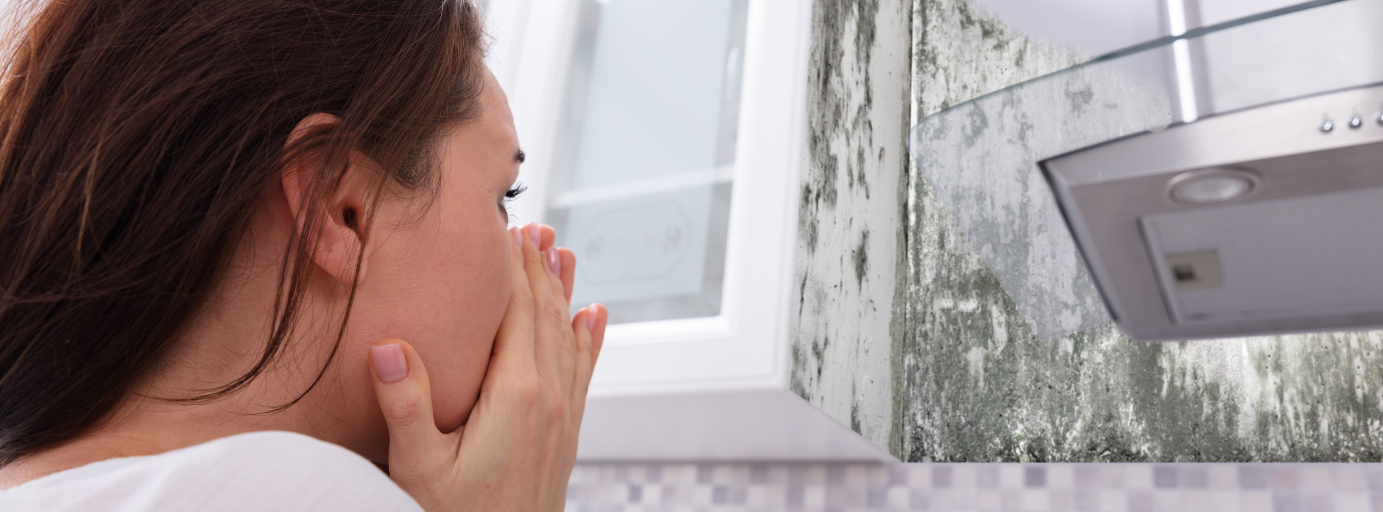
When winter arrives, many organizations slow down construction and maintenance projects—but it’s actually one of the best times to address interior environmental hazards like asbestos, lead, and mold. Colder months create ideal conditions for remediation work, allowing facilities to prepare safely and strategically for the year ahead.
Controlled Conditions for Safer Remediation
Winter provides more stable indoor environments, which is critical during hazardous material remediation. With windows and doors closed, contractors can better control airflow, containment zones, and negative air pressure systems. This level of control reduces the risk of cross-contamination and helps ensure remediation work meets strict safety and regulatory standards—especially important when dealing with airborne contaminants like asbestos fibers or mold spores.
Less Disruptions to Operations
Many commercial, institutional, and industrial facilities experience reduced occupancy during winter months. Schools are on break, construction slows, and some businesses operate at lower capacity. This makes it easier to isolate work areas and complete remediation with minimal impact on staff, tenants, or daily operations. Addressing issues now helps prevent emergency shutdowns or costly interruptions later in the year.
Better Scheduling Availability
Winter is often a less congested season for remediation contractors, meaning more flexible scheduling and faster project start times. Instead of waiting months for availability during peak construction season, organizations can secure qualified remediation services sooner. This proactive approach allows hazards to be addressed before they escalate or delay future renovations.
Compliance Readiness for Spring Projects
Many renovation, demolition, and capital improvement projects ramp up in spring. Completing asbestos, lead, or mold remediation during winter ensures your site is compliant and ready to proceed without delays. Early remediation reduces risk, simplifies permitting, and helps keep larger projects on schedule and within budget.
Addressing indoor environmental hazards during winter isn’t just practical—it’s strategic. By taking advantage of controlled conditions, reduced disruption, and improved availability, organizations can create safer indoor environments while positioning themselves for a smoother, more efficient year ahead.