Hidden Environmental Hazards That Appear During Spring Renovations
Hidden Environmental Hazards in Spring Renovations:
What You Can’t See Can Hurt You — And How to Prepare
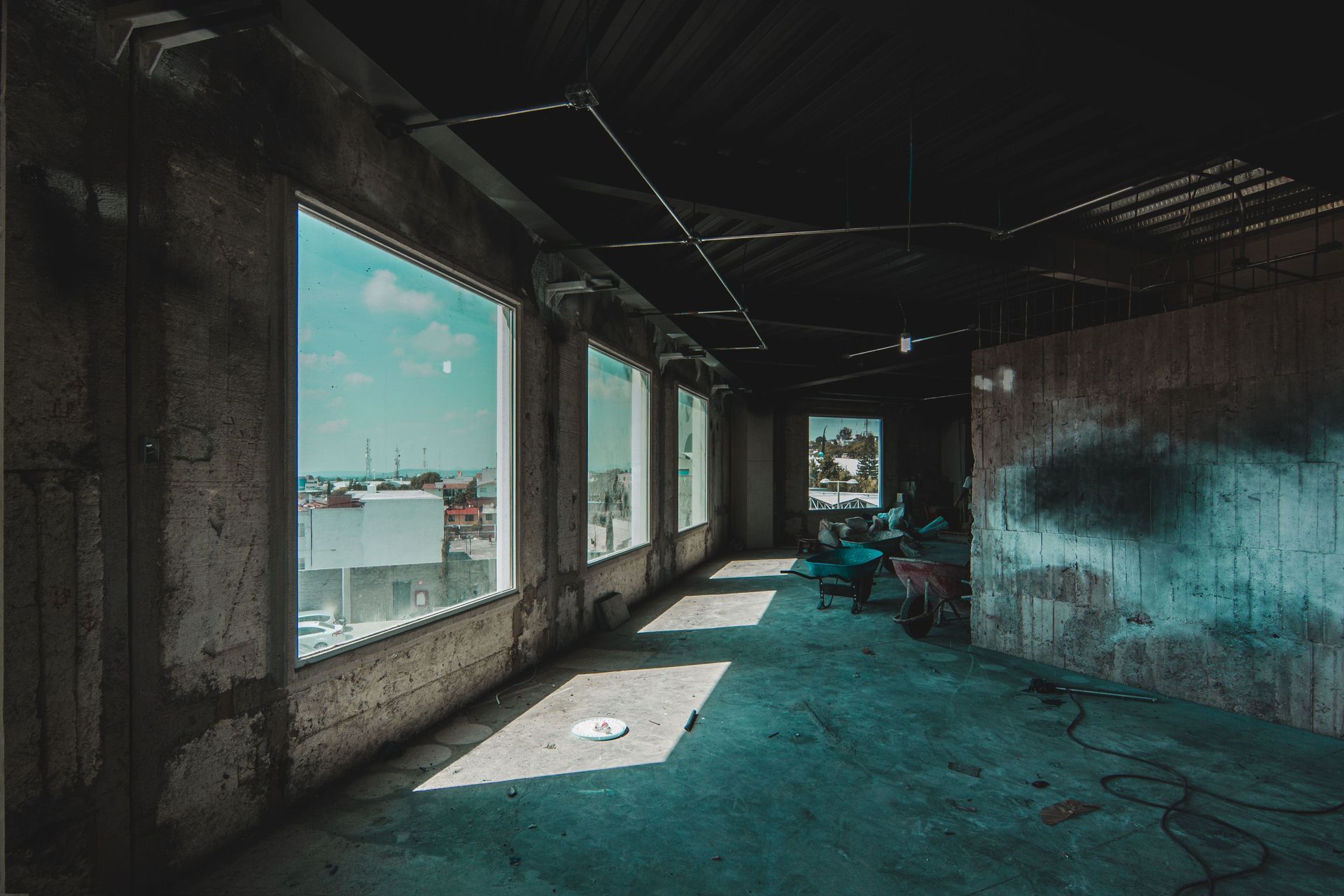
Spring is a season of fresh starts—and for many property owners, that means renovation projects. Whether you're updating a home, revitalizing a commercial space, or tackling long-overdue repairs, opening up walls and disturbing old materials can reveal more than you bargained for. Hidden environmental hazards are a common—and often overlooked—part of spring renovations, and failing to address them properly can put both your project and your health at risk.
One of the most frequently encountered hazards is asbestos. Common in buildings constructed before the 1980s, asbestos may be present in insulation, flooring, roofing materials, and more. While it’s generally safe when undisturbed, renovation activities can release harmful fibers into the air, making proper identification and abatement essential.
Lead-based paint is another serious concern, particularly in homes built before 1978. Sanding, scraping, or demolition can create toxic dust that is especially dangerous for children and pregnant individuals. Without proper containment and removal procedures, lead exposure can quickly become a major issue during even small-scale projects.
Mold is another hazard that often reveals itself during spring renovations. As walls, ceilings, or flooring are opened up, hidden moisture problems can come to light. Spring’s increased humidity and thawing conditions can make mold growth worse, especially in basements, attics, and poorly ventilated areas. Left untreated, mold can impact indoor air quality and lead to respiratory issues. In some cases, renovations may also uncover contaminated soil, outdated chemical storage, or residues from past industrial or household use. This is especially relevant for older commercial properties or homes with a history of fuel oil heating systems, where leaks may have gone undetected for years.
What makes these hazards particularly challenging is that they’re not always visible. Materials that look perfectly normal can contain dangerous substances, and by the time you notice a problem, exposure may have already occurred. That’s why it’s critical to take a proactive approach before starting any renovation work.
Partnering with an experienced environmental services provider ensures that proper inspections, testing, and mitigation strategies are in place from the start. This helps prevent costly delays, keeps your project compliant with regulations, and most importantly, protects the health of everyone involved. Spring renovations are an opportunity to improve and refresh your space—but they should also be approached with awareness. Identifying hidden hazards early allows you to move forward with confidence, knowing your project is both safe and successful.