Mud Season Sustainability
When the Snow Melts:
Responsible Runoff Management for Safer Properties
In the Northeast, mud season marks the transition from winter to spring — and with it comes melting snow, saturated ground, and heavy runoff. While the thaw feels like a fresh start, it can also mobilize pollutants that have accumulated over months. For property owners and facility managers, mud season is a critical time to think about environmental responsibility and contaminant control.
How Runoff Spreads Contaminants
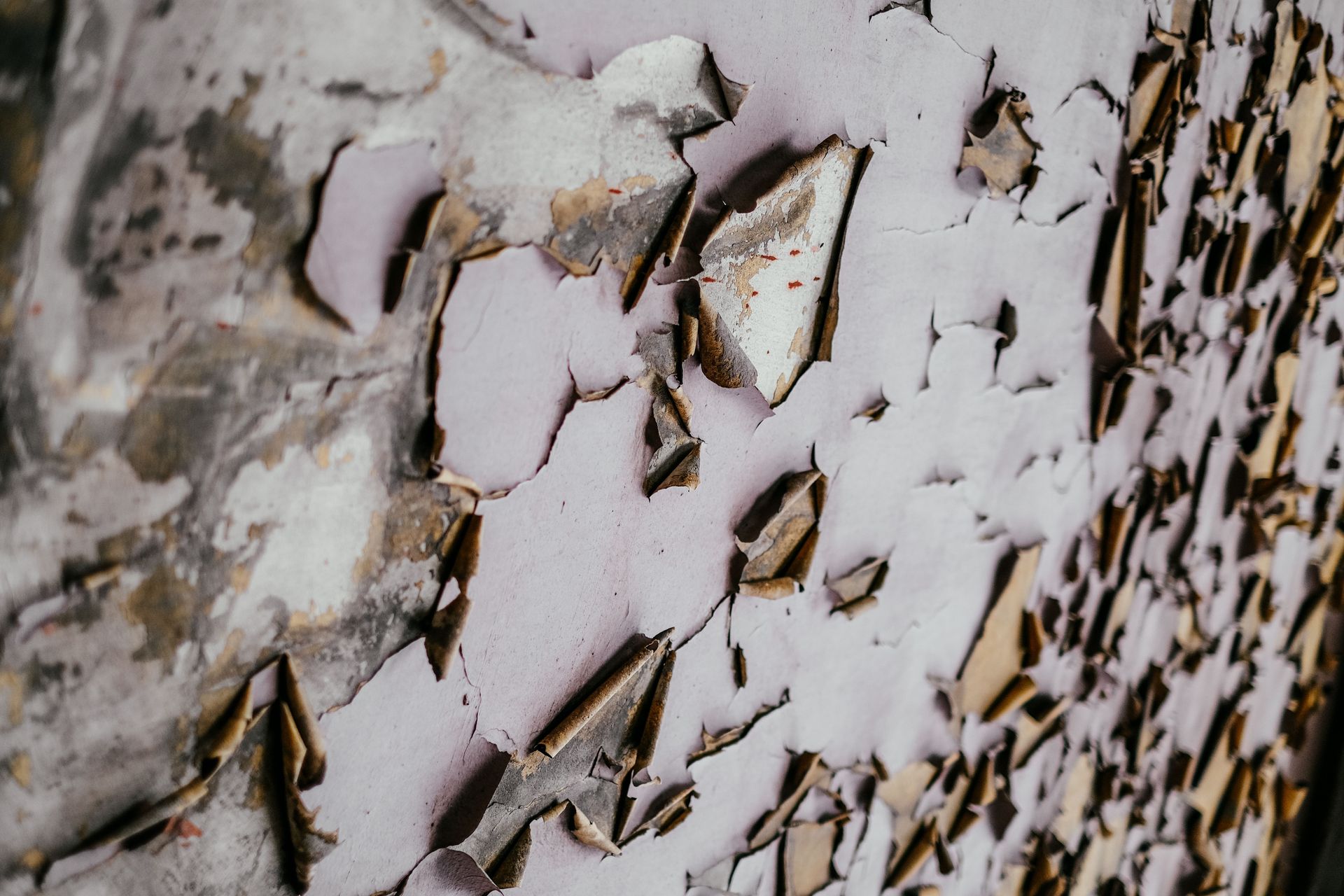
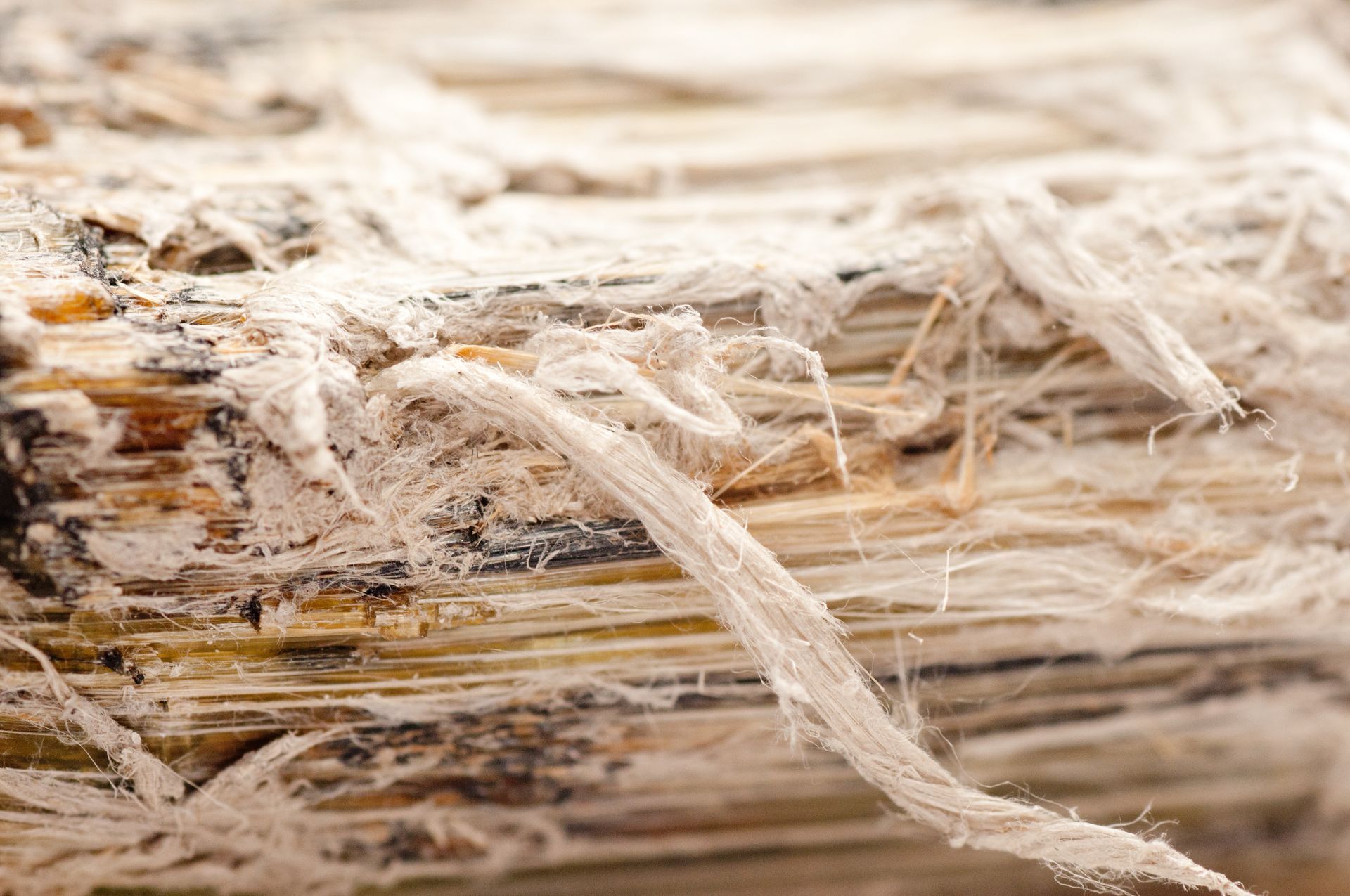
Throughout the winter, contaminants such as lead particles, asbestos dust, petroleum byproducts, and chemical residues settle onto roofs, parking lots, construction sites, and industrial yards. When snow melts and spring rains arrive, water flows across these surfaces, picking up and transporting pollutants into surrounding soil, storm drains, wetlands, and waterways. Sediment-laden runoff can carry heavy metals and hazardous fibers into previously unaffected areas. In industrial or older properties, this movement may increase the spread of legacy contaminants — especially in locations where prior demolition, renovation, or material handling has occurred. Once pollutants infiltrate soil, they can persist, posing long-term environmental and health risks if not properly addressed.
The Role of Environmental Services
This is where professional environmental services become essential. Companies like MP Environmental Services specialize in identifying, containing, and remediating contaminated materials before they migrate further. Through soil testing, environmental cleanup, hazardous material removal, and controlled disposal, trained professionals help prevent small seasonal issues from becoming costly environmental liabilities. Proper site containment, erosion control measures, and regulated waste handling ensure contaminants are removed safely and in compliance with environmental standards. Whether managing asbestos-containing debris, lead-impacted soil, or chemical residues, environmental specialists provide both technical expertise and regulatory guidance to protect communities and ecosystems.
Sustainable Practices that Make a Difference
Sustainability in environmental cleanup means more than removal — it means responsible management. PCB handling services, recycling initiatives, and proper hazardous waste disposal prevent toxic materials from re-entering the environment. Materials that can be safely recycled are diverted from landfills, while hazardous substances are transported and disposed of in accordance with strict environmental protocols. By prioritizing eco-responsible remediation strategies, property owners reduce their environmental footprint while maintaining regulatory compliance.
Tips to Reduce Contaminant Spread During Mud Season
Property owners can take proactive steps to limit runoff-related contamination:
- Inspect properties for exposed debris or damaged materials before thaw.
- Maintain proper drainage systems to control water flow.
- Stabilize loose soil with temporary ground cover or erosion barriers.
- Promptly address suspected hazardous materials with professional assessment.
- Avoid disturbing potentially contaminated areas during wet conditions.
Mud season is inevitable — but environmental impact doesn’t have to be. With proactive planning and responsible cleanup practices, contaminants can be managed safely, protecting both property and the surrounding environment. MP Environmental Services remains committed to helping communities navigate seasonal challenges with expertise, compliance, and sustainability at the forefront.