Lead-Based Paint in Commercial Buildings: What Property Owners Should Know
Managing Lead Paint Risks
A practical guide for commercial property owners
Lead-based paint remains a significant concern in many commercial buildings, particularly those constructed before modern regulations restricted its use. While it may not always be visible or immediately hazardous, understanding where lead-based paint is found, when it becomes a risk, and how to address it properly is essential for property owners and facility managers.
Where Lead Paint is Commonly Found:
Lead-based paint was widely used in commercial and institutional buildings prior to the late 1970s due to its durability and moisture resistance. It is often present on interior walls, ceilings, doors, window frames, stairwells, and structural steel. In industrial or utility areas, lead-based coatings may also be found on equipment, piping, and mechanical spaces. Even if painted over, older layers can still contain lead.
When Lead Paint Becomes a Concern:
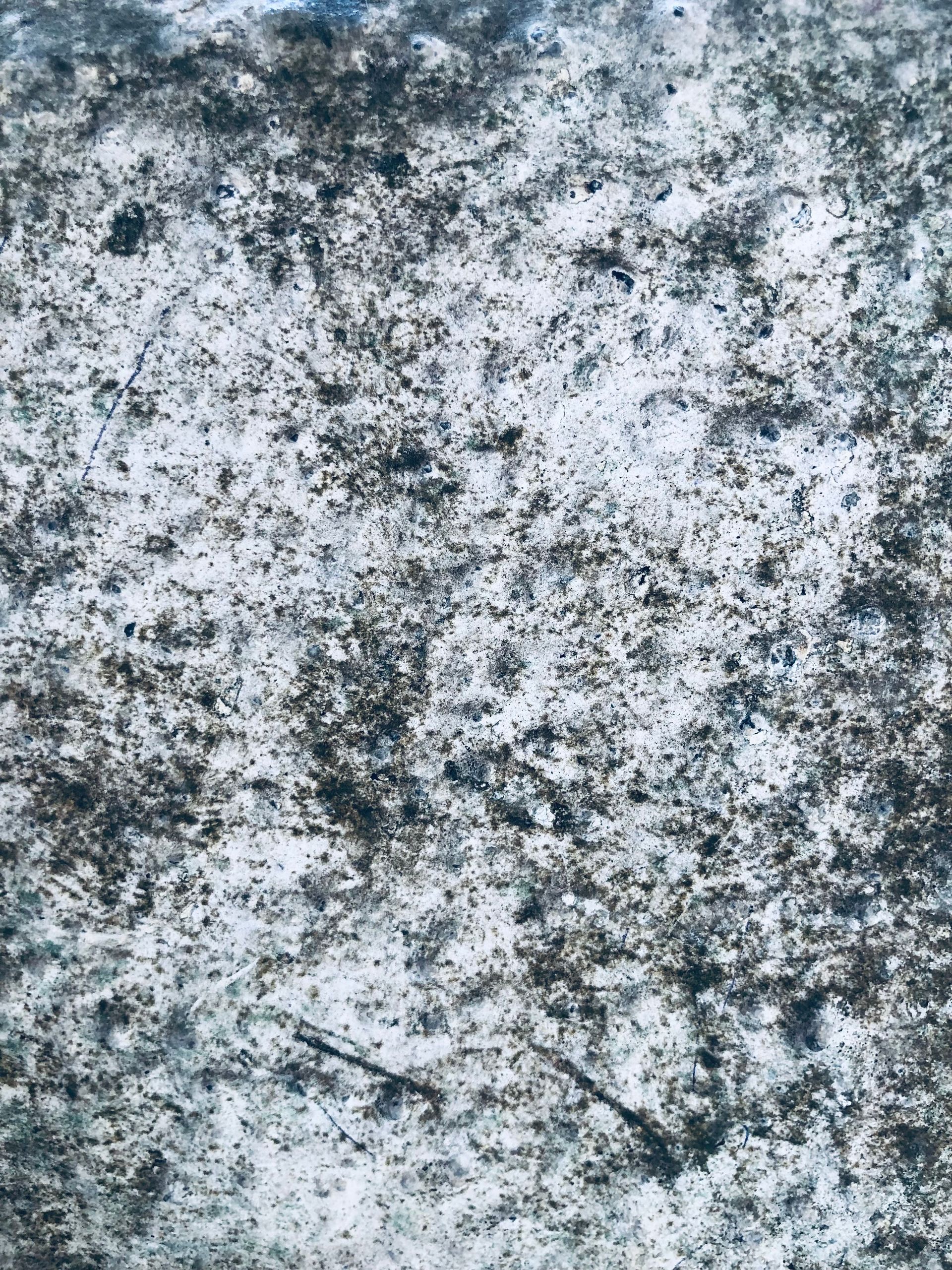
Lead-based paint is most dangerous when it deteriorates or is disturbed. Cracking, peeling, or chipping paint can release lead dust, which is easily inhaled or ingested. Renovation, demolition, or routine maintenance activities can also disturb lead-containing surfaces, increasing exposure risk for workers and occupants. In commercial settings, this can lead to health concerns, regulatory violations, and project delays if not properly managed.
Why Professional Removal Matters:
Improper handling of lead-based paint can spread contamination throughout a building and create serious safety risks. Professional lead abatement contractors use controlled containment, specialized equipment, and approved removal methods to safely eliminate hazards while protecting surrounding areas. This approach ensures compliance with safety standards and minimizes disruption to building operations.
Regulatory Responsibility for Commercial Property Owners
Commercial property owners have a legal obligation to identify and manage lead hazards in their buildings. Federal, provincial, and local regulations require proper testing, documentation, and safe work practices when lead-based paint is present. Failure to comply can result in fines, liability exposure, and project shutdowns. Proactive assessment and remediation help owners meet regulatory requirements and maintain safe environments.
Understanding lead-based paint risks—and addressing them correctly—protects occupants, supports compliance, and safeguards the long-term value of commercial properties.