Why Professional Mold Remediation Matters for Indoor Air Quality
Beyond Surface Cleaning
How Mold Remediation Improves Indoor Air Quality
Indoor air quality plays a critical role in the comfort, health, and productivity of building occupants. While many factors can affect air quality, mold is one of the most common and often overlooked contributors to indoor environmental concerns.
Mold thrives in damp environments where moisture is present. Leaking roofs, plumbing issues, flooding, condensation, and poor ventilation can all create ideal conditions for mold growth. Unfortunately, mold is not always visible. It frequently develops behind walls, beneath flooring, above ceiling tiles, and inside HVAC systems.
As mold grows, it releases microscopic spores into the air. These spores can circulate throughout a building and contribute to poor indoor air quality. Occupants may notice musty odors, increased allergy symptoms, respiratory irritation, or general discomfort. In commercial environments, mold-related air quality issues can also affect employee productivity and occupant satisfaction.
Many property owners attempt to address mold by cleaning visible growth with household products. While surface cleaning may temporarily remove what can be seen, it rarely addresses the underlying cause of the problem. If moisture issues remain unresolved, mold often returns and continues to spread.
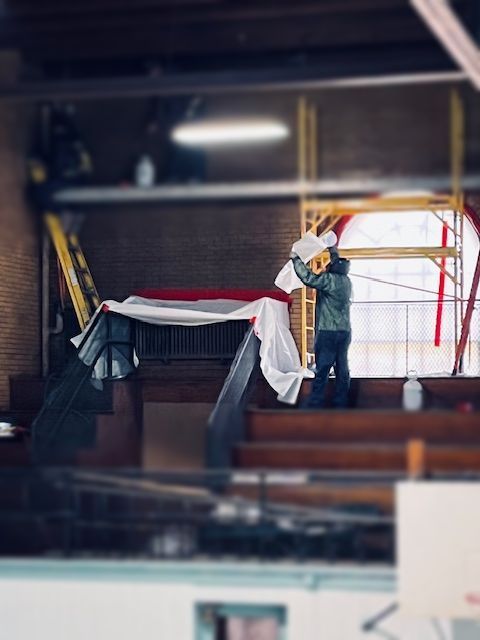
Professional mold remediation takes a comprehensive approach. Environmental specialists identify the source of moisture, assess the extent of contamination, contain affected areas, and safely remove impacted materials when necessary. Air filtration and cleaning procedures help reduce airborne spores and prevent cross-contamination during the remediation process.
Equally important, professional remediation helps verify that the problem has been effectively addressed. Follow-up inspections and testing can provide confidence that mold levels have been reduced and indoor conditions have improved.
Maintaining healthy indoor air quality requires more than simply treating symptoms. Addressing mold at its source helps create safer, cleaner environments for building occupants while protecting the long-term condition of the property.
Whether the issue stems from a recent water intrusion event or a long-standing moisture problem, timely professional intervention can help prevent further damage and support healthier indoor spaces. Investing in proper mold remediation today can help avoid larger and more costly challenges in the future.