Lead Abatement During Renovation: Planning for Safer Projects
Renovating An Older Building?
Why Lead Hazards Should Be Addressed Before Work Begins
Renovating an older home or commercial building can reveal materials and conditions that weren’t obvious during initial planning. Lead-based paint is one potential concern, particularly in buildings constructed before modern restrictions on its residential use. When renovation activities disturb lead-containing materials, dust and debris can spread beyond the immediate work area. Planning for lead hazards before construction begins can help property owners and contractors create a safer, more efficient project.
Identify Potential Lead Hazards Early
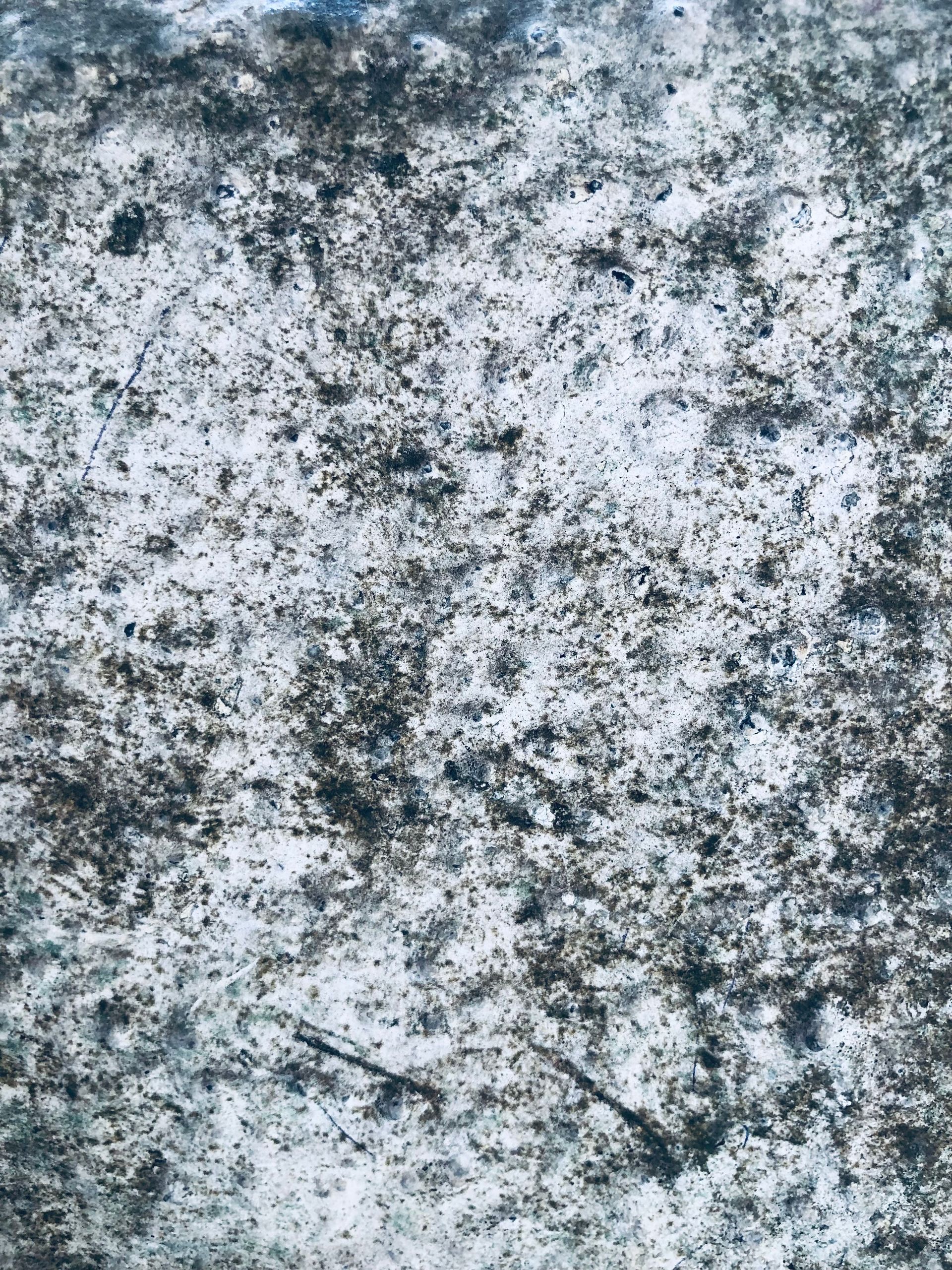
Lead-based paint may be present on walls, trim, doors, windows, and other painted surfaces in older buildings. Renovation activities such as sanding, scraping, cutting, drilling, or demolition can disturb these materials and create lead-contaminated dust.
Testing or assessment before work begins can help determine whether lead is present and which areas may require special procedures.
Build Lead Abatement Into the Project Plan
Discovering a lead hazard after renovation is underway can result in unexpected delays and changes to the scope of work. When lead concerns are identified early, contractors and property owners can account for necessary abatement or lead-safe practices in the project schedule and budget.
Planning ahead also allows different trades to coordinate their work around areas that require specialized attention.
Control Dust and Debris
Managing the work area is an important part of reducing lead exposure. Depending on the project and applicable requirements, this can involve isolating affected areas, controlling dust, using appropriate protective equipment, and following specific procedures for cleanup and waste handling. Professional lead abatement contractors have the training and equipment needed to manage lead-containing materials while helping prevent contamination from spreading to surrounding areas.
Verify the Area Is Ready for the Next Phase
Cleanup is a critical part of any project involving lead hazards. Dust and small particles can remain even when a renovated space looks clean. Following appropriate post-abatement procedures helps ensure affected areas have been properly addressed before other contractors, occupants, or building owners return to the space.
Make Environmental Planning Part of Renovation
Lead hazards don’t have to become an unexpected obstacle. Evaluating older buildings before renovation begins allows potential environmental concerns to be incorporated into the overall project plan. MP Environmental Services provides professional lead inspection and abatement services for residential, commercial, and institutional properties. If you’re planning a renovation in an older building, contact our team to identify potential lead hazards and develop an appropriate plan before work begins.