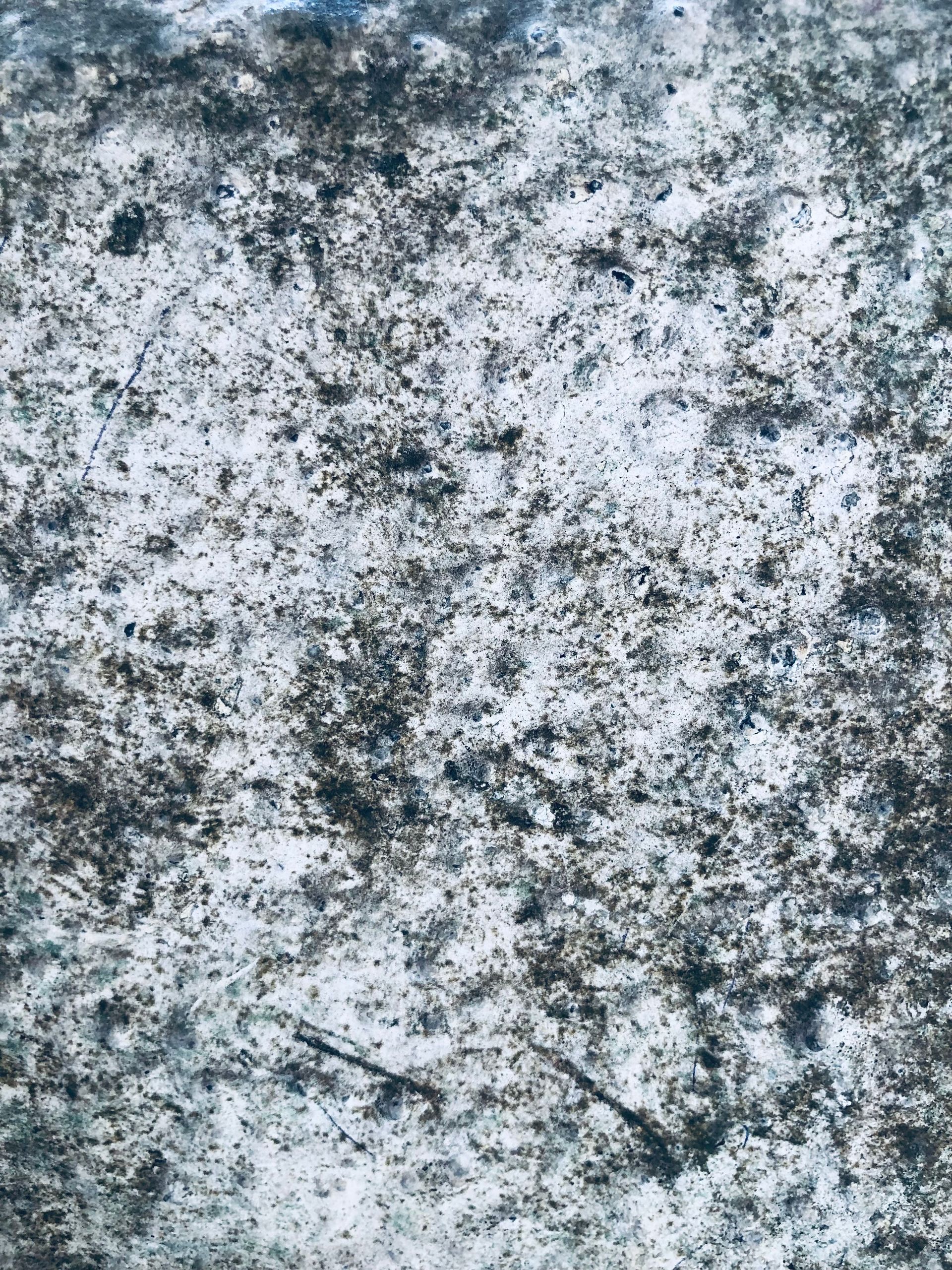

Top Winter Mold Remediation Risks in Commercial Buildings — And How to Prevent Them
Winter Mold Risks in Commercial Buildings:
What Facility Managers Need To Watch For
Winter brings unique challenges for commercial buildings. Cold temperatures often mean tightly sealed spaces, limited airflow, and increased indoor humidity—all conditions that create the perfect environment for mold growth. For facility managers, understanding these risks is essential to protect tenants, equipment, and property value.
Elevated Humidity in Closed Buildings
When windows and doors stay shut during winter, indoor humidity can rise quickly. Moisture from heating systems, condensation on windows, and even daily operations can accumulate, giving mold spores the moisture they need to thrive. Facility managers should monitor humidity levels, ideally keeping them between 30–50%, and use dehumidifiers in areas prone to dampness.
Poor Ventilation
Heating systems often recirculate air without adequate fresh airflow, which can trap moisture and airborne mold spores. Ventilation issues are especially critical in basements, mechanical rooms, and storage areas. Regular maintenance of HVAC systems, air filters, and exhaust fans is key to preventing stagnant, mold-friendly air pockets.
Hidden Water Sources
Leaking roofs, cracked windows, or faulty plumbing may go unnoticed in winter, but they can cause hidden water damage behind walls, under floors, or above ceilings. Mold can start growing in as little as 24–48 hours once moisture accumulates. Facility managers should conduct regular inspections, paying attention to less visible areas where leaks or condensation may occur.
Insulation & Building Materials
Older buildings with poor insulation can develop cold spots where condensation forms. Similarly, porous materials like drywall, carpeting, and wood are particularly vulnerable to mold. Preventive measures include insulating exterior walls, monitoring cold areas for dampness, and replacing compromised materials promptly.
What Facility Managers Should Watch For
Early detection is critical. Signs of mold include musty odors, visible discoloration, water stains, and increased allergy complaints from occupants. Regularly documenting inspections, maintaining HVAC systems, and addressing leaks immediately can prevent small problems from turning into costly remediation projects.
Winter doesn’t have to mean mold disasters. By staying vigilant about humidity, ventilation, leaks, and building materials, commercial facility managers can reduce mold risks and maintain a safe, healthy environment all season long. Proactive planning and regular inspections are the best defenses against winter mold growth.