Spring Facility Maintenance Checklist for Industrial Buildings
Spring Facility Maintenance Checklist for Industrial Buildings:
Start Strong This Season — Protect Performance, Safety & Compliance
Spring is a critical transition period for industrial facilities. After months of harsh winter conditions, your building systems, structures, and environmental controls may be under added stress. A proactive spring maintenance plan not only helps prevent costly breakdowns but also ensures your facility remains safe, compliant, and operating at peak efficiency.
The first place to start is with your building envelope. Winter weather can take a toll on roofing systems, siding, and foundations. Inspect for signs of damage such as cracks, leaks, ponding water, or compromised seals. Addressing these issues early can prevent water intrusion, structural deterioration, and indoor environmental concerns.
Next, evaluate your HVAC and ventilation systems. Industrial buildings rely heavily on proper airflow and air quality control, especially in facilities where dust, chemicals, or particulates are present. Replace filters, inspect ductwork, and confirm that systems are functioning efficiently. This is also an ideal time to assess whether any buildup or contamination may require professional cleaning or remediation.
Drainage and water management systems should also be a top priority. Melting snow and seasonal rains can overwhelm gutters, downspouts, and site drainage systems. Ensure all pathways are clear and directing water away from the building. Poor drainage can lead to foundation issues, interior water damage, and even mold growth if left unchecked.
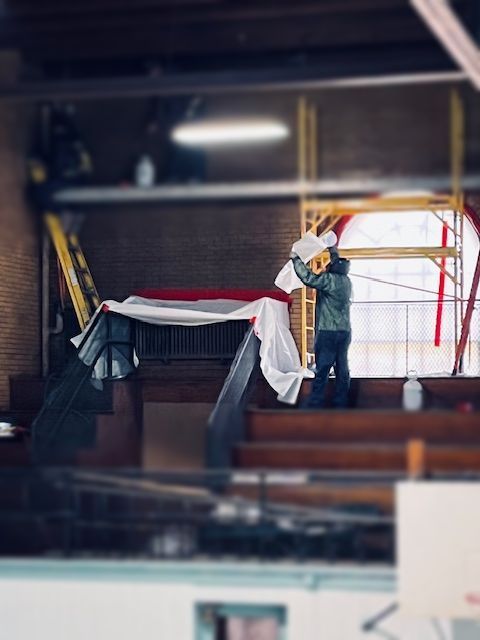
Hazardous materials and environmental risks should not be overlooked. Spring maintenance is a good opportunity to review older building materials and operational areas for potential concerns such as asbestos-containing materials, lead-based coatings, or chemical residues. Any planned repairs or upgrades should include proper testing to avoid disturbing hazardous substances.
Don’t forget about mechanical systems and equipment. Inspect boilers, pipes, storage tanks, and production equipment for signs of wear, corrosion, or leaks. Preventative maintenance in these areas reduces the risk of unexpected downtime and supports overall operational efficiency. Finally, review your compliance and safety protocols. Ensure that documentation is up to date, emergency response plans are in place, and staff are trained on current procedures. This is also a good time to schedule any required environmental testing or inspections to stay ahead of regulatory requirements.
A thorough spring facility maintenance checklist sets the tone for the months ahead. By identifying small issues before they become major problems, you protect your investment, your team, and your operations. With the right approach, spring maintenance isn’t just routine—it’s a smart strategy for long-term performance and peace of mind. Always remember that hiring a professional always produces the best outcome! Contact us today!