
Spring Moisture & Mold: How Thawing Weather Can Trigger Indoor Air Quality Issues
Spring, Moisture, & Mold
Preventing Mold & Air Quality Problems This Spring
As winter transitions into spring, fluctuating temperatures, melting snow, and rising humidity create ideal conditions for mold growth. While mud season often brings concerns about exterior runoff and soil saturation, indoor environments are equally vulnerable. Without proper moisture management, homes and commercial buildings can quickly develop indoor air quality issues that impact both health and structural integrity.
Why Mold Problems Spike in Spring
Spring weather is unpredictable. Warm daytime temperatures followed by cold nights create condensation on windows, walls, and poorly insulated surfaces. At the same time, melting snow seeps into foundations, basements, and crawl spaces. Add increased rainfall and higher ambient humidity, and buildings can retain excess moisture for extended periods. Mold spores are naturally present in the air, but they only colonize when moisture is available. Damp drywall, insulation, carpeting, and wood framing provide the organic material mold needs to grow. Even small leaks or minor flooding during thaw cycles can trigger rapid microbial growth within 24–48 hours. Poor ventilation in attics and basements further compounds the issue, trapping moisture indoors.
Health Risks Associated with Indoor Mold
Exposure to mold can cause a range of health concerns, particularly for individuals with asthma, allergies, or compromised immune systems. Common symptoms include:
- Persistent coughing or wheezing
- Nasal congestion and sinus irritation
- Eye, skin, and throat irritation
- Headaches or fatigue
- Worsening asthma symptoms
In commercial environments, mold-related indoor air quality issues can also impact employee productivity and lead to liability concerns if not addressed promptly.
Signs of a Mold Problem
Early detection is key. Property owners and facility managers should watch for:
- Musty or damp odors
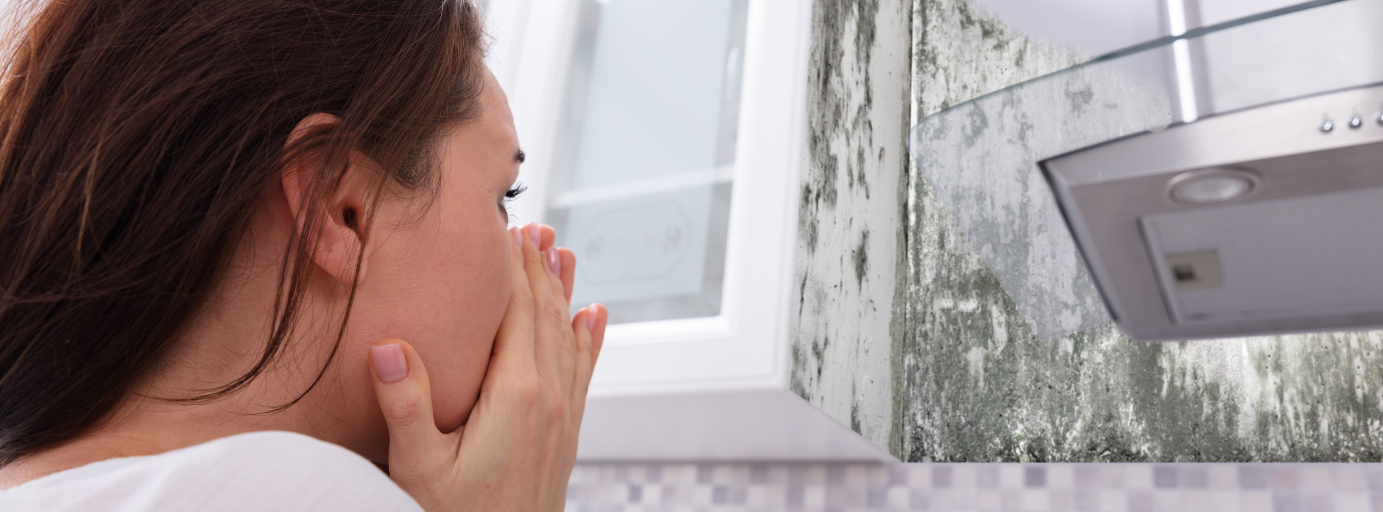
- Visible discoloration on walls, ceilings, or baseboards
- Peeling paint or bubbling drywall
- Water stains or recent leak history
- Increased allergy-like symptoms among occupants
Basements, crawl spaces, mechanical rooms, and areas near rooflines are especially vulnerable during spring thaw.
When to Bring in Professionals
While small surface issues may appear manageable, hidden moisture behind walls or beneath flooring often requires professional assessment. If mold growth covers a significant area, reappears after cleaning, or follows water intrusion, it’s time to contact environmental remediation specialists.
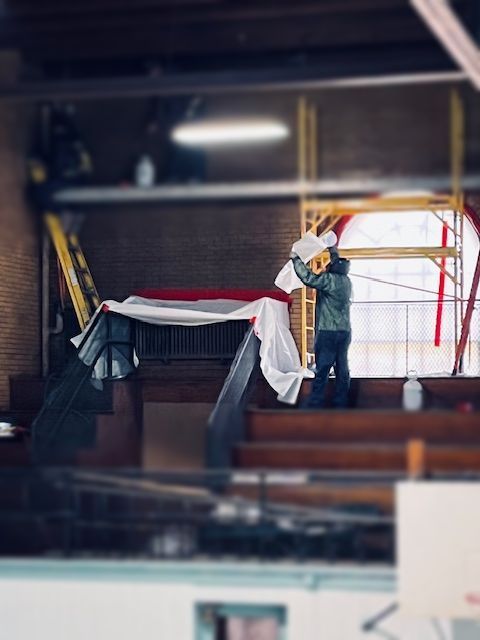
Professional inspection includes moisture detection, air quality assessment, and containment planning to prevent cross-contamination. Proper remediation involves removing affected materials, safely disposing of contaminated debris, addressing the moisture source, and restoring safe indoor air conditions. Spring moisture doesn’t have to become a long-term problem. With proactive monitoring and timely professional intervention, property owners can protect indoor air quality, building integrity, and occupant health throughout the thaw season.