How to Identify Asbestos, Lead, and Mold Risks in Your Property
Hidden Hazards:
Spotting Asbestos, Lead, and Mold Before It’s Too Late
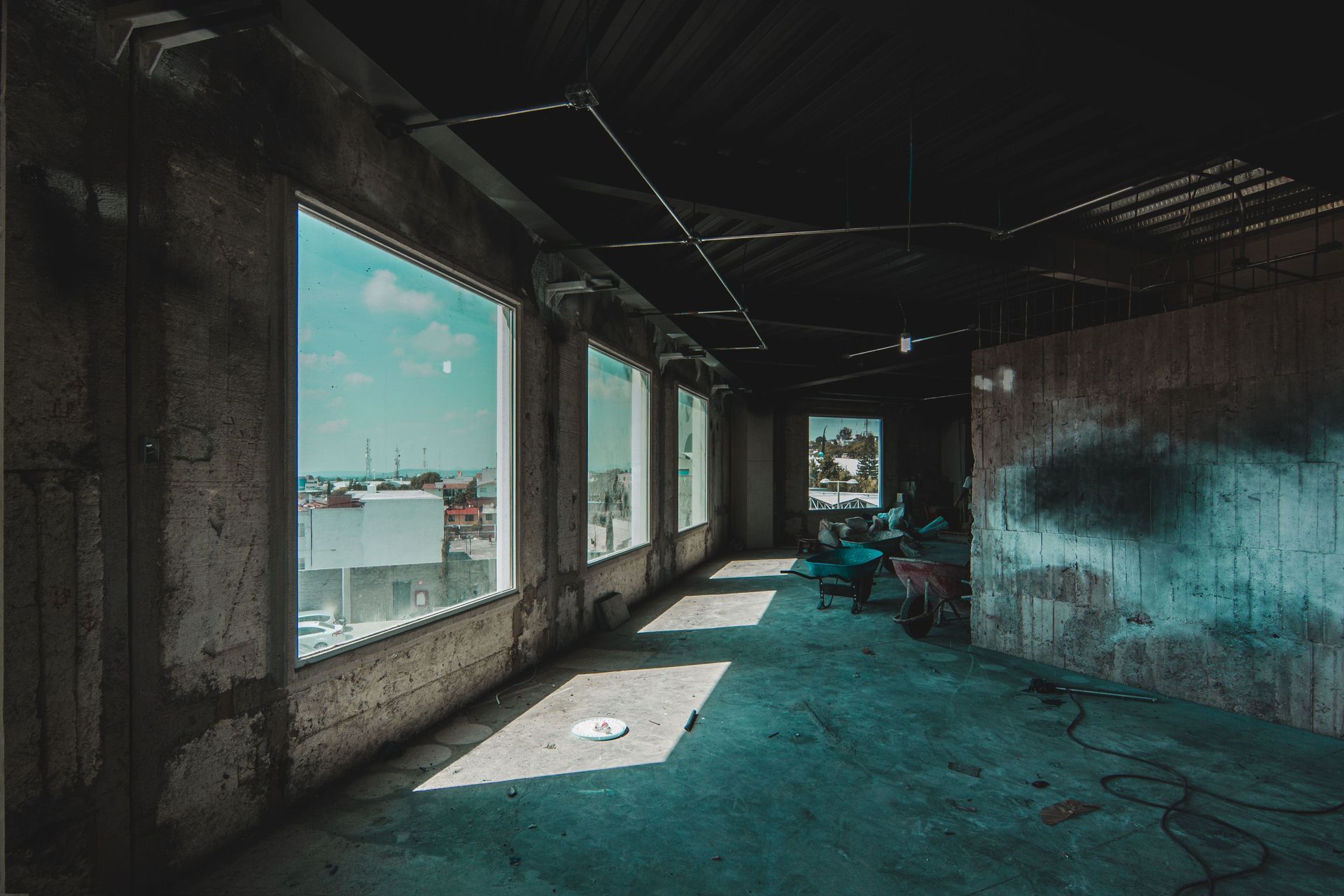
Environmental hazards like asbestos, lead, and mold are often out of sight—but they should never be out of mind. These materials can exist in residential, commercial, and industrial buildings, particularly older properties, and may pose serious health risks if disturbed or left untreated.
ASBESTOS:
Asbestos was widely used in insulation, ceiling tiles, pipe coverings, and other building materials prior to the 1990s. While it may remain stable when intact, damaged or aging materials can release microscopic fibers into the air. Signs to watch for include crumbling insulation, deteriorating drywall compounds, or renovation work in older structures. Because asbestos is not always visible, testing is the only reliable way to confirm its presence.
LEAD:
Lead is most commonly associated with paint in buildings constructed before stricter regulations were introduced. Peeling, chipping, or sanding painted surfaces can create lead-contaminated dust. This is particularly concerning in high-traffic areas or during renovations, where particles can spread easily.
MOLD:
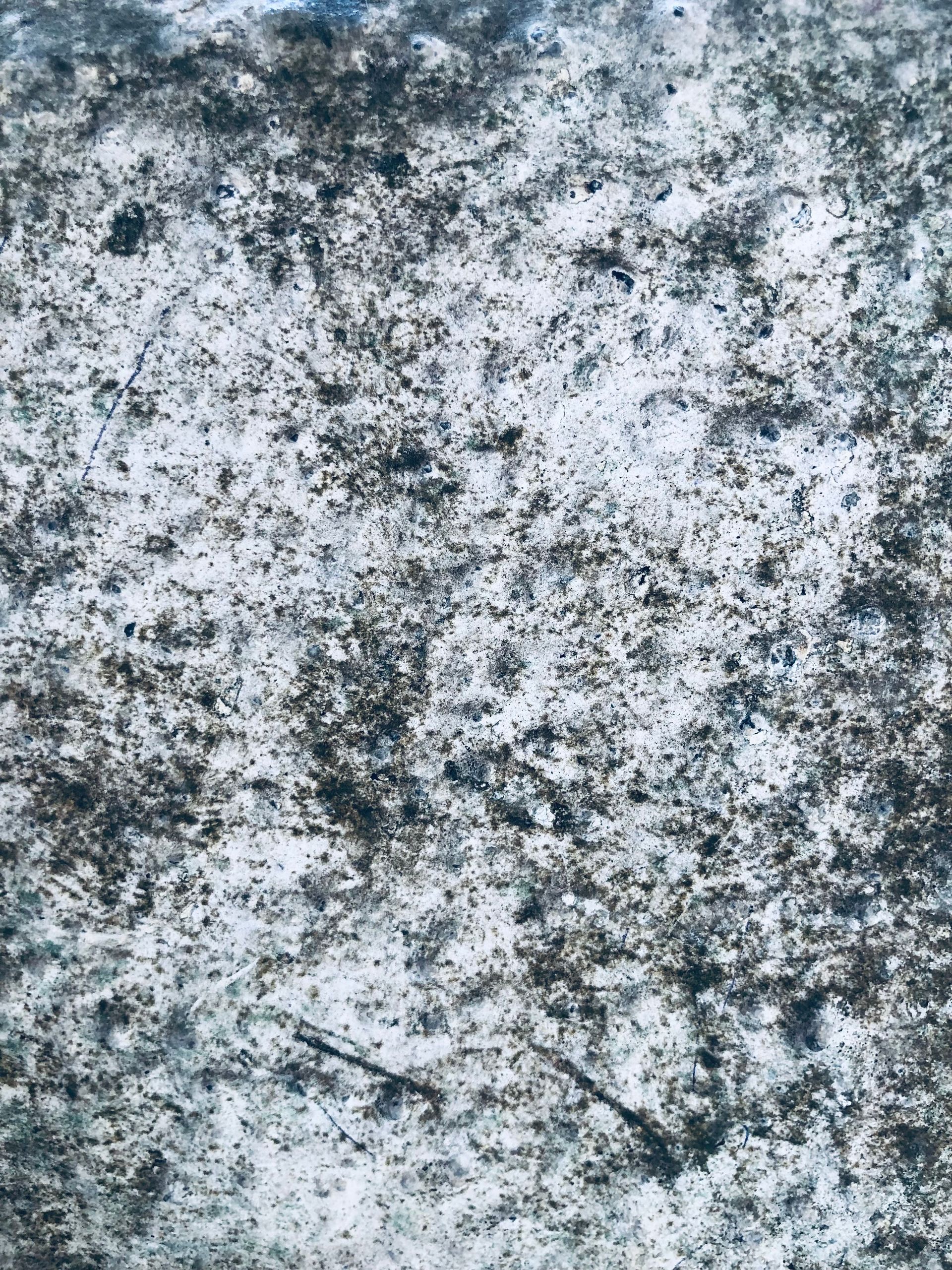
Mold develops in environments with excess moisture. Water damage, leaks, condensation, or poor ventilation can all create conditions for growth. Common indicators include musty odors, discoloration on walls or ceilings, and recurring dampness. Unlike surface dirt, mold can spread behind walls and into building materials if not properly addressed.
While these warning signs can help identify potential risks, accurate diagnosis requires professional assessment and testing. Acting early not only protects occupant health but can also reduce the complexity and cost of remediation.
If you suspect your property may be affected, taking a proactive approach ensures issues are identified and managed before they escalate.