How Property Managers Can Reduce Environmental Risks in Winter
Winter Environmental Risks:
How Property Managers Can Protect Their Buildings
Winter can be one of the most challenging seasons for property managers. Freezing temperatures, snow, and reduced building use can quickly lead to environmental hazards, costly damage, and safety concerns if not properly managed. Proactive planning and knowing when to bring in professionals are key to protecting properties during the colder months.
Frozen Pipes & Water Damage
Frozen pipes are one of the most common winter risks. When water freezes, it expands, increasing pressure and often causing pipes to burst. This can result in flooding, structural damage, and potential contamination. Property managers should ensure that exposed pipes are insulated, heating systems remain operational in unoccupied areas, and buildings are regularly checked during extreme cold.
Flooding & Hidden Moisture
Snowmelt and ice dams can cause water to seep into roofs, walls, and basements. Even minor leaks can lead to significant moisture buildup, which may go unnoticed during winter. Regular inspections of roofs, drainage systems, and foundations help identify vulnerabilities before they turn into major issues.
Contamination Cleanup After Incident
Winter-related water damage can introduce contaminants such as fuel residues, sewage backups, or chemical runoff—especially in commercial and industrial properties. Prompt professional contamination cleanup is essential to prevent environmental violations, health risks, and long-term property damage. Delays can increase cleanup costs and regulatory exposure.
Mold Remediation Risks
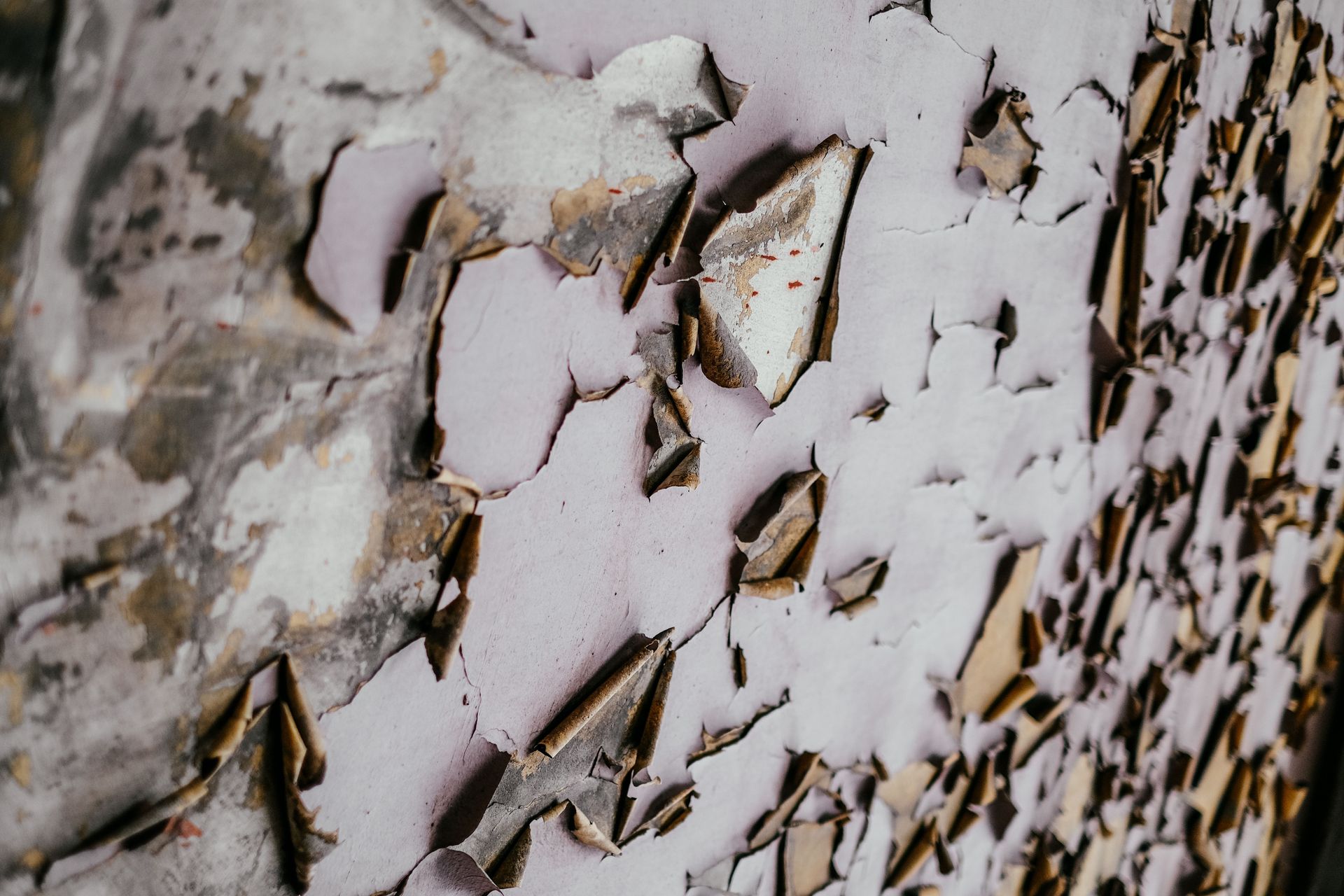
Cold weather often means buildings are sealed tightly, reducing ventilation and trapping moisture indoors. Combined with leaks or condensation, these conditions create an ideal environment for mold growth. Property managers should monitor humidity levels, address water intrusion immediately, and schedule professional mold remediation at the first sign of musty odors or visible growth.
Dry Ice Blasting for Deep Winter Cleaning
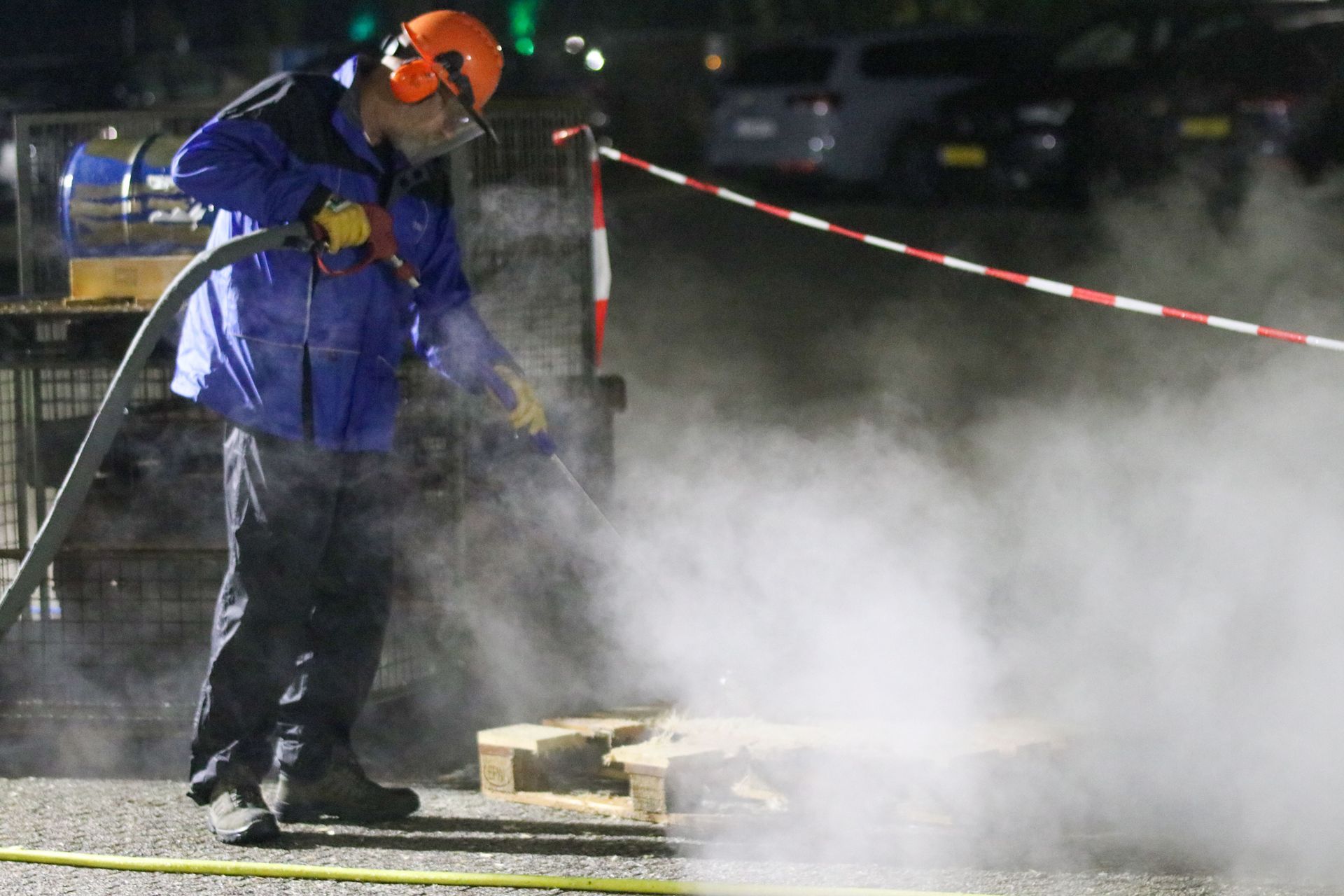
Winter is also an ideal time for dry ice blasting, especially in mechanical rooms, industrial spaces, and high-use areas. This non-abrasive, chemical-free cleaning method removes grime, mold, soot, and contaminants without water—making it perfect for cold temperatures. It allows for deep cleaning without shutdowns or secondary waste, helping properties stay clean and compliant year-round.
When To Call A Professional
While routine maintenance is essential, some winter risks require expert support. Property managers should call professionals when dealing with frozen pipe failures, flooding, suspected contamination, mold growth, or complex cleaning needs. Early intervention minimizes damage, reduces downtime, and ensures compliance with environmental regulations.