Hidden Environmental Hazards that Appear During Renovation
Renovation Surprises
Identifying Environmental Hazards Before They Become Bigger Problems
Renovating an older building can reveal more than outdated wiring, aging plumbing, or structural concerns. Behind walls, beneath flooring, and above ceilings, hidden environmental hazards may be waiting to be discovered. These unexpected conditions can create safety concerns, interrupt construction schedules, and require specialized remediation before work can continue.
For property owners, contractors, and facility managers, understanding what might be uncovered during renovation is an important part of planning a successful project.
Asbestos in Unexpected Places
Asbestos is one of the most common environmental concerns associated with older buildings. Although its use has declined significantly, asbestos-containing materials remain in many residential, commercial, and industrial properties.
Potential sources include:
- Floor tiles and adhesives
- Pipe and boiler insulation
- Ceiling materials and textured finishes
- Roofing and siding products
- Certain wall and joint compounds
When these materials are disturbed during demolition or renovation, asbestos fibers can become airborne. Suspected materials should be evaluated by qualified professionals before work continues.
Lead-Based Paint Beneath the Surface
Lead-based paint is another concern, particularly in buildings constructed before 1978.
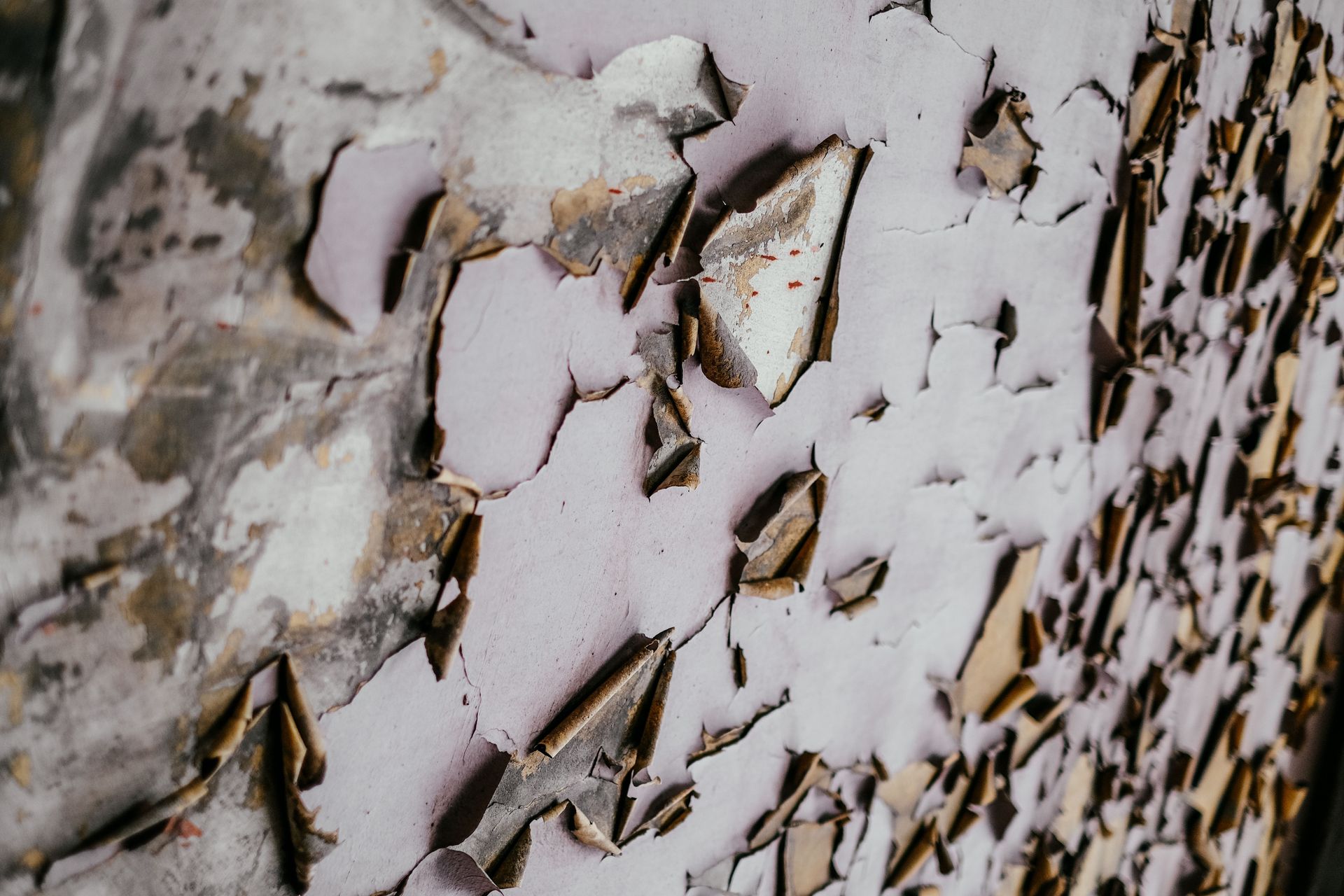
Even when older paint has been covered by newer finishes, renovation activities such as sanding, scraping, cutting, or demolition can release hazardous lead dust.
Proper testing, containment, and lead-safe work practices help reduce exposure risks for workers and building occupants.
Hidden Mold and Moisture Damage
Mold isn't always visible during routine building inspections. Water intrusion from leaking roofs, plumbing failures, or inadequate ventilation can allow mold to develop behind drywall, beneath carpeting, and inside concealed building cavities.
During renovations, removing walls or flooring may expose previously unnoticed contamination.
Addressing the underlying moisture source is just as important as removing affected materials to help prevent recurring problems.
Other Hazardous Materials to Consider
Depending on the building's age and previous uses, renovations may also uncover polychlorinated biphenyls (PCBs), contaminated dust, or improperly stored hazardous materials.
Older electrical equipment, sealants, and certain building components may contain substances requiring specialized handling and disposal.
Identifying these materials early helps contractors determine appropriate next steps and comply with applicable environmental regulations.
What Should You Do When a Hazard Is Discovered?
If potentially hazardous materials are uncovered, the safest approach is to stop work in the affected area and avoid disturbing the material further.
Qualified environmental professionals can assess the situation, recommend appropriate testing, and determine whether containment or remediation is necessary.
Plan Your Renovation With MP Environmental Services
Unexpected environmental hazards don't have to derail an entire renovation. Proactive assessments and professional remediation can help minimize disruptions while protecting workers and building occupants.
MP Environmental Services provides asbestos abatement, lead remediation, mold remediation, and environmental cleanup services for residential, commercial, and industrial properties.
Planning a renovation or dealing with an unexpected environmental concern? Contact MP Environmental Services today to discuss your project and the appropriate next steps.